20+Years Specialized Manufacturer Of Tower Cranes And Construction Hoists

2026 Ultimate Tower Crane Buying Guide:How to Choose the Right Tower Crane for Your Construction Project
4/21/20264 min read
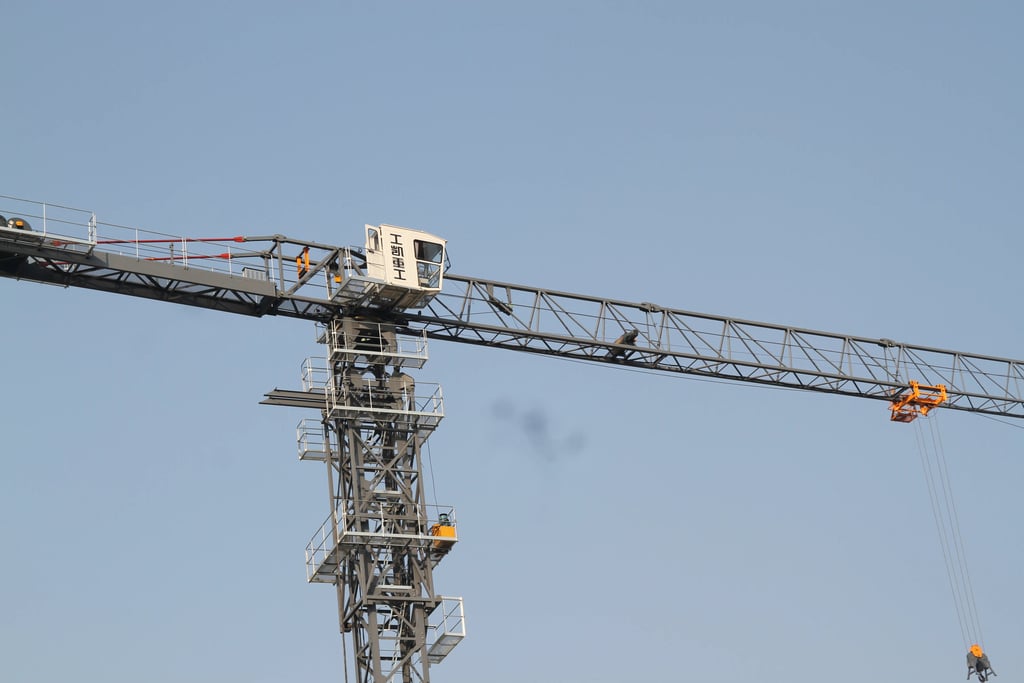
In modern construction, the tower crane is more than just lifting equipment—it is the backbone of efficient vertical logistics on any jobsite. From high-rise residential buildings to large infrastructure projects, tower cranes define productivity, safety, and project timelines.
As the global construction industry continues to grow in 2026, choosing the right tower crane is no longer just about lifting capacity. Contractors now focus on safety systems, intelligent technologies, operational efficiency, and long-term return on investment (ROI).
Whether you are planning high-rise developments in Southeast Asia or infrastructure projects in the Middle East, this ultimate tower crane buying guide will help you select the most suitable equipment for your project.
1. Understand the Core Parameters of a Tower Crane
When evaluating different tower crane models, the most important parameter is the Load Moment (kN·m).
The load moment represents the product of lifting load × working radius, and it reflects the real lifting capability of the crane.
For example:
A QTZ800 tower crane represents a nominal load moment of 800 kN·m
Higher load moments indicate stronger lifting performance at longer working radii
However, buyers should be cautious of suppliers exaggerating specifications—sometimes called “small tower marked as large tower” in the industry.
Jib Length and Tip Load
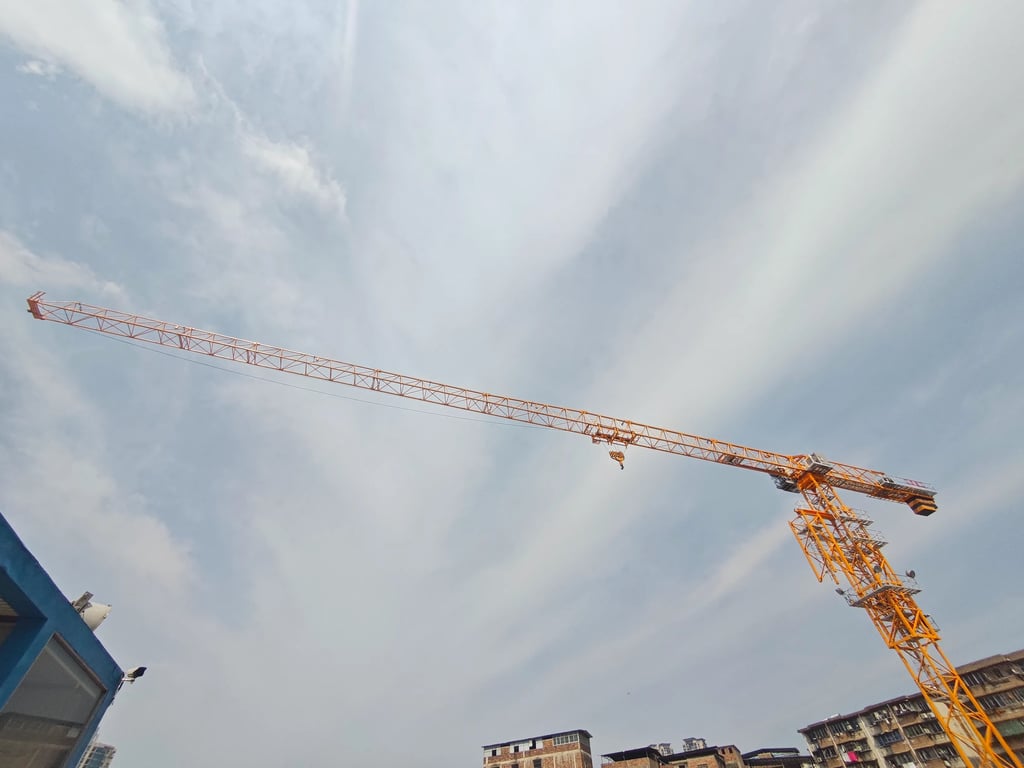
The jib length determines the working coverage area of the crane.
Typical jib lengths range from 40m to 70m, depending on the crane model.
Important considerations include:
Maximum site coverage
Building footprint
Maximum tip load capacity
Make sure the tip load can safely lift your heaviest components, such as concrete buckets, prefabricated panels, or steel structures.
Free-Standing Height
A higher free-standing height allows the tower crane to operate without tie-ins during early construction stages.
Benefits include:
Faster installation
Lower initial setup cost
Reduced construction interruptions
For high-rise construction projects, cranes with strong initial free-standing capacity are highly recommended.
2. Choosing the Right Tower Crane Type
Selecting the correct tower crane type directly affects construction efficiency, stability, and total project cost.
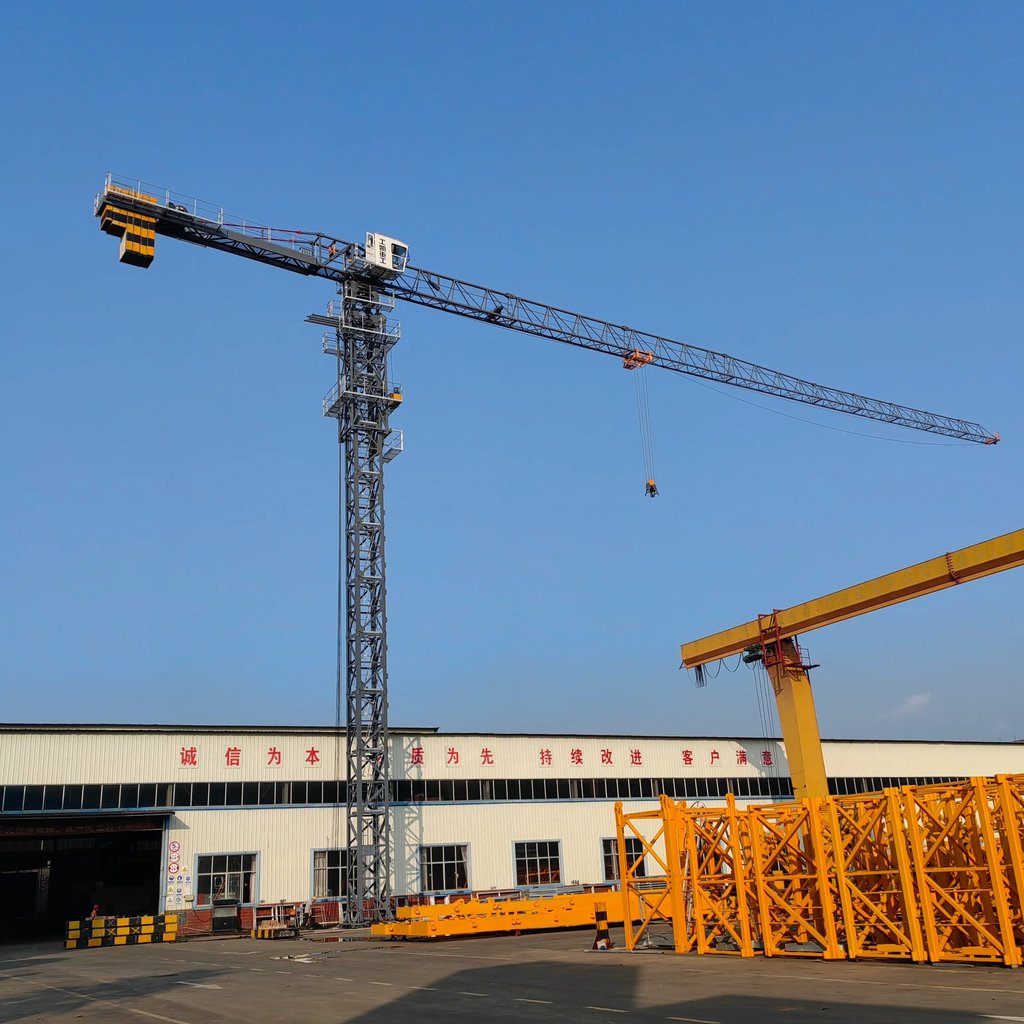
Top-Slewing Tower Crane
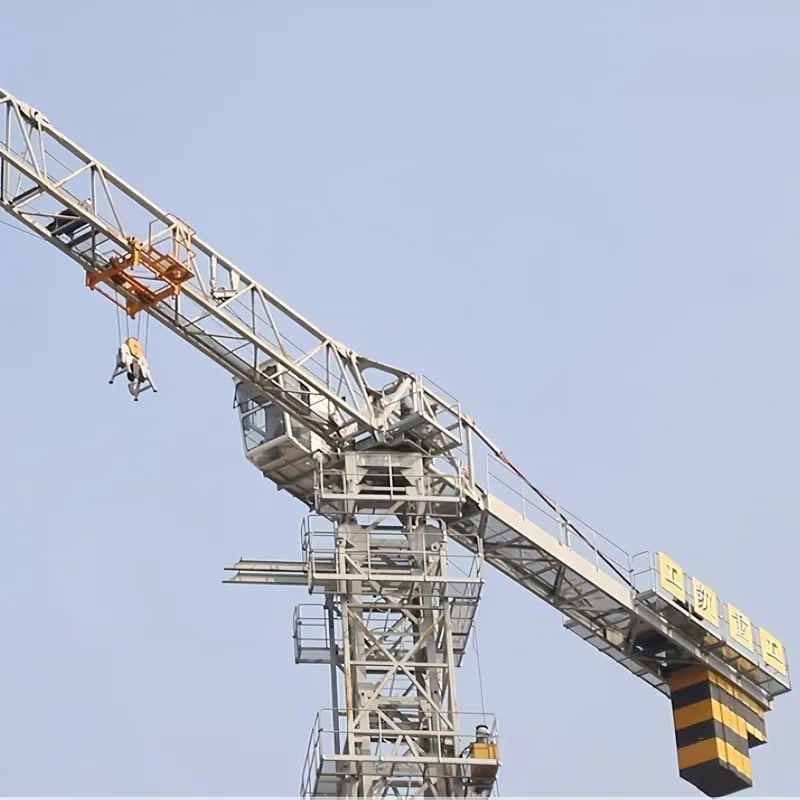
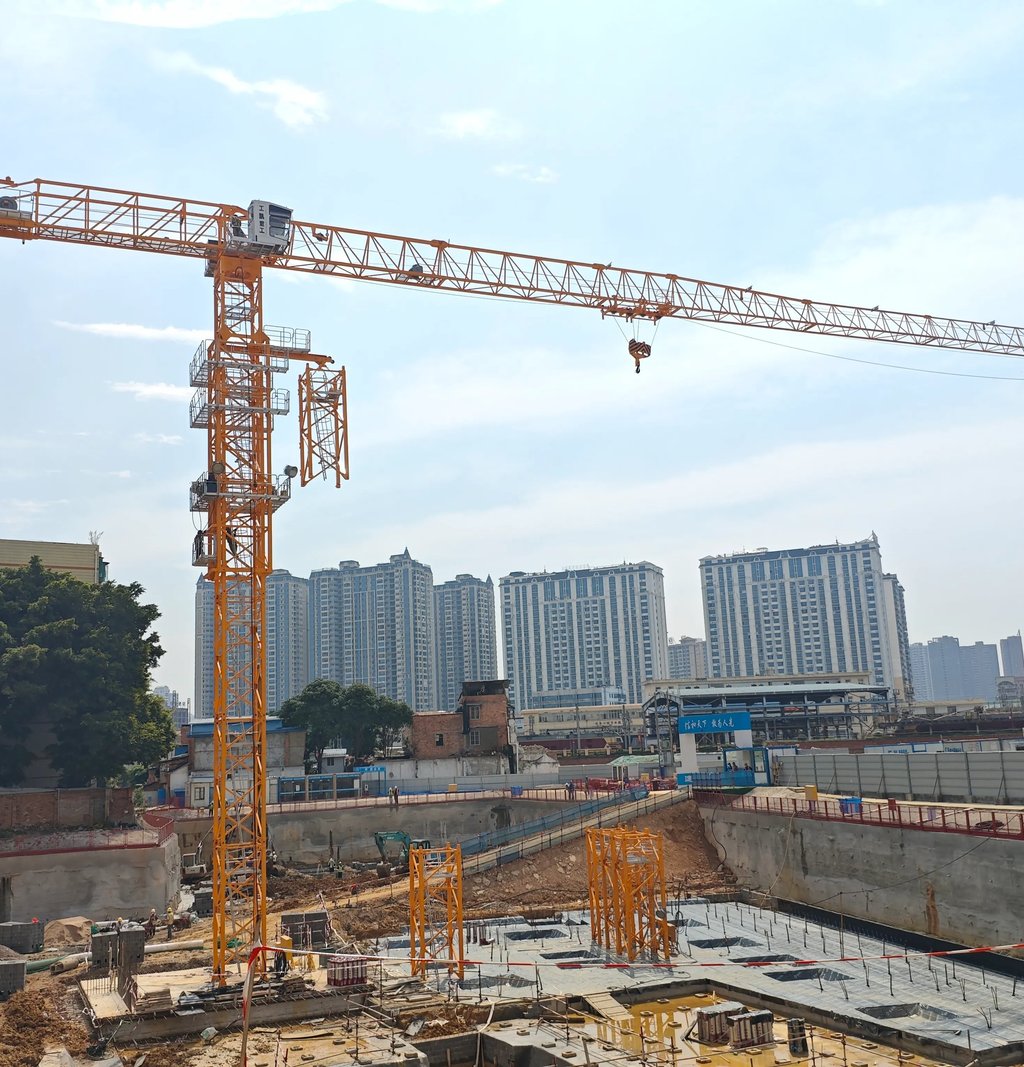
Top-slewing cranes are the most common type used in high-rise construction worldwide.
In this design:
The slewing unit is located at the top of the tower
Only the jib rotates, while the tower remains stationary
Advantages include:
Excellent lifting height
Large working radius
Ideal for skyscrapers and urban construction
Modern models also feature hydraulic jacking systems, allowing the crane to self-climb as the building rises, significantly improving installation efficiency.
Bottom-Slewing Tower Crane
Bottom-slewing cranes are commonly used for:
Low-rise buildings
Industrial facilities
Temporary construction sites
Characteristics:
The entire tower rotates
Lower installation height
Better ground stability
However, the maximum height is typically limited to around 22 meters, making them unsuitable for high-rise buildings.
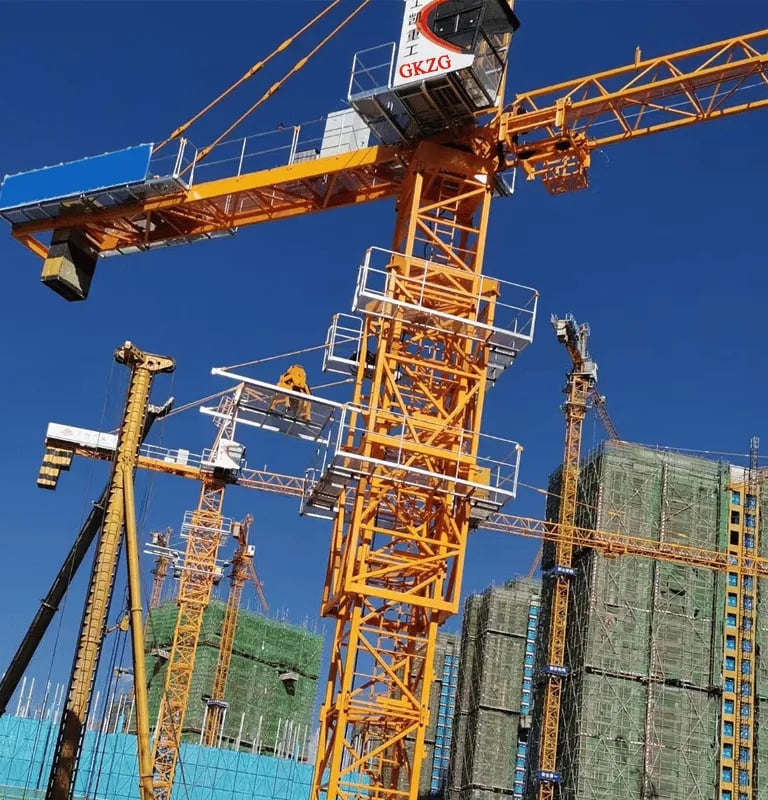
Self-Climbing Tower Crane
For large and complex projects, self-climbing tower cranes offer exceptional flexibility.
These cranes can operate in multiple configurations:
Rail-mounted tower crane
Fixed foundation crane
External climbing crane
Internal climbing crane
This “one machine, multiple applications” capability is especially useful for mixed-use urban developments and large infrastructure projects.
3. Quality Control: The Hidden Factors That Determine Safety
A tower crane's safety depends heavily on manufacturing quality, materials, and engineering standards.
When choosing a tower crane manufacturer, inspect the following factors carefully.
Steel Structure and Welding
High-quality cranes should undergo sandblasting and anti-corrosion treatment before painting.
Key quality indicators include:
Full-penetration welding
Smooth weld seams
No slag or cracks
High-strength structural steel
These processes significantly improve durability and corrosion resistance, especially in humid or coastal environments.
Critical Components
Reliable tower cranes use components from recognized global suppliers, including:
High-efficiency motors
Planetary gear reducers
High-strength wire ropes
Precision electrical systems
These components directly influence lifting stability and long-term reliability.
Safety Monitoring Systems
Modern tower cranes must comply with international safety standards.
Essential safety devices include:
Load Moment Limiter
Hoisting Height Limiter
Slewing Limiter
Anti-collision systems
By 2026, many tower cranes are also equipped with IoT-based monitoring systems, which provide:
Real-time wind speed monitoring
Load tracking
Fatigue warning systems
Remote diagnostics
These technologies greatly improve site safety and equipment management efficiency.
4. Tower Crane Industry Trends in 2026
The tower crane market is rapidly evolving due to global infrastructure growth and technological innovation.
Electrification and Green Construction
Electric tower cranes are becoming increasingly popular in urban construction due to:
Zero on-site emissions
Lower energy consumption
Reduced environmental impact
These features are especially important for green construction projects and sustainable cities.
Smart and Remote Operation
With the development of 5G and IoT technologies, modern tower cranes now support:
Remote operation systems
Intelligent monitoring platforms
Semi-autonomous lifting assistance
These features improve operator safety, productivity, and data-driven construction management.
China as the Global Tower Crane Manufacturing Hub
China has become the world's largest tower crane manufacturing base, supplying equipment to markets across:
Southeast Asia
The Middle East
Africa
South America
Leading manufacturers combine advanced engineering, competitive pricing, and strong export experience, offering solutions comparable to European brands at significantly lower costs.
5. Avoid the “Low Price” Trap
Tower cranes are long-term capital equipment, not short-term commodities.
Choosing equipment solely based on the lowest price can result in:
Lower quality materials
Poor safety performance
Limited spare parts availability
Weak after-sales support
Instead, buyers should evaluate the Total Cost of Ownership (TCO), which includes:
Equipment lifespan
Maintenance costs
Spare parts supply
Technical support
Operator training
A reliable tower crane supplier will provide comprehensive technical support and long-term service guarantees.
Conclusion: Invest in the Right Tower Crane Partner
In 2026, the most successful construction companies focus on technology, safety, and long-term reliability when selecting tower crane equipment.
Partnering with an experienced tower crane manufacturer ensures that your equipment delivers maximum productivity throughout the entire construction cycle.
The right tower crane is not just lifting equipment—it is a complete vertical logistics solution that supports the growth and success of your construction projects.
If you are planning your next project and need a customized tower crane solution, working with a professional manufacturer can help you achieve higher efficiency, safety, and profitability.
Connect GKZG
Get in touch for your project needs today.
Contact us
Tel/Whatsapp/Wechat:+86 19377161135
Copyright © 2026. Guangxi Gongkai Heavy Industry Manufacturing Co.,Ltd.All Right Reserved
Address: No.12 Fuqiao Avenue, Longan Overseas Chinese Administration District, Nanning, Guangxi,China