Specialized Manufacturer Of Tower Cranes And Construction Hoists

Construction Hoist vs. Material Hoist: Which One is Best for Your Site Efficiency and Safety?
11/27/20254 min read
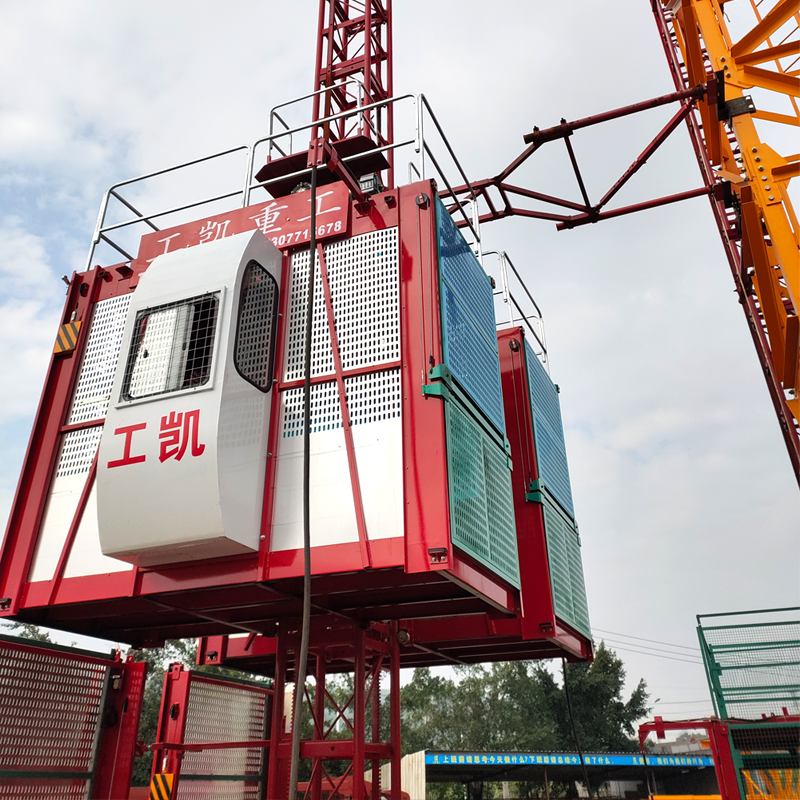
Understanding Construction Hoists and Material Hoists
Construction hoists and material hoists are essential equipment used in various construction sites. These systems facilitate the movement of people, tools, and materials vertically, thereby enhancing overall site efficiency and safety. While both construction hoists and material hoists serve similar purposes, they differ in their specific functions and applications.
A construction hoist, also known as a personnel hoist, is primarily designed for transporting workers from one level of a building to another. It is typically enclosed to ensure the safety of the passengers. Construction hoists are often utilized on large-scale projects, such as skyscrapers or multistory buildings, where quick vertical access is crucial. They come in various designs, with the rack and pinion and rope-operated hoists being the most common. Rack and pinion hoists use a mechanical system that incorporates gears, enabling smooth and reliable movement, while rope-operated hoists utilize a system of pulleys and cables, allowing for adjustable heights and capacities.
On the other hand, material hoists are primarily used for transporting construction materials, tools, or equipment. They often feature larger platforms and can accommodate heavier loads compared to personnel hoists. Material hoists are designed to enhance efficiency during construction by moving heavy items quickly and safely from one floor to another. Similar to construction hoists, they also come in various designs, including chain hoists and drum hoists, which serve specific material-handling needs.
Understanding the differences between these hoists can significantly impact the operational efficiency of a construction site. Selecting the appropriate hoist type depends on the specific needs of the project and the nature of the tasks at hand. Clear comprehension of their functionalities ensures that the right choice is made to enhance safety and productivity on site.
Site Efficiency: How Hoists Improve Workflow
Efficiency on construction sites is paramount for the successful completion of projects within designated timelines and budgets. Both construction hoists and material hoists play significant roles in enhancing site efficiency, specifically by improving the speed and safety of vertical transport. These systems facilitate the movement of workers and materials, thereby streamlining operations and reducing potential delays.
Construction hoists, which are specifically designed to carry personnel, offer impressive load capacities and can typically accommodate multiple workers simultaneously. Their ability to reach various vertical levels swiftly makes them indispensable for high-rise projects, where time-sensitive tasks need to be performed at different heights. The speed of construction hoists can significantly impact productivity, allowing teams to work more efficiently by minimizing downtime associated with climbing stairs or waiting for elevators.
On the other hand, material hoists are equipped to carry heavy equipment and supplies, which is crucial for maintaining an uninterrupted workflow. These hoists are tailored to handle substantial loads, and their operational efficiencies help save valuable time that would otherwise be spent transporting materials manually. By improving the speed and reliability of material delivery, construction sites can better adhere to project schedules, thus reducing overall labor costs and increasing profitability.
When it comes to installation times, both types of hoists can be set up relatively quickly, though specific requirements may differ based on the project's demands. The ease of installation further contributes to their efficiency, as teams can begin utilizing the hoists without significant delays. In summary, the integration of construction and material hoists within a project not only enhances efficiencies but also optimizes workflows, ultimately ensuring that team efforts translate into successful outcomes.
Safety Considerations: Evaluating Risks and Benefits
When it comes to selecting the right hoisting system for construction sites, safety is paramount. The choice between construction hoists and material hoists involves evaluating various safety features, regulations, and the inherent risks associated with each system. Construction hoists are often utilized for transporting personnel and materials vertically, while material hoists are specifically designed for the movement of goods only. Understanding the distinct safety implications of both types is crucial for effective site management.
One of the primary safety considerations for construction hoists is the requirement for compliance with industry regulations. The Occupational Safety and Health Administration (OSHA) mandates specific guidelines regarding load limits, structural integrity, and emergency protocols. In contrast, material hoists must adhere to different regulations that focus on the safe handling and transportation of materials without personnel involvement. Assessing these regulations ensures that operators select a hoisting system that aligns with legal safety standards.
In addition to regulatory compliance, both hoist types present common hazards. Construction hoists may carry risks such as falling loads, worker entrapment, or malfunctioning equipment. Proper operator training is essential to mitigate these dangers, as knowledgeable staff are better equipped to manage operational risks effectively. Similarly, while material hoists eliminate the risk associated with transporting personnel, potential hazards such as overloading or mechanical failure still exist.
Regular maintenance of hoisting systems is crucial for ensuring safety. Scheduled inspections and prompt repairs can significantly reduce the likelihood of accidents on the job site. Operators must remain vigilant about the condition of their equipment, addressing any issues that arise promptly. By fostering a culture of safety through comprehensive operator training and diligent maintenance practices, construction companies can enhance site efficiency while prioritizing the well-being of all personnel involved.
Conclusion: Making the Right Choice for Your Project
Choosing between a construction hoist and a material hoist is a critical decision that directly impacts site efficiency and safety. Both options offer distinctive advantages and disadvantages, making it essential to evaluate your project requirements carefully. Construction hoists are designed to transport both workers and materials, providing versatility for jobs that involve multiple tasks and personnel. Their capacity for carrying large loads makes them suitable for high-rise construction projects. However, they may entail a higher initial investment and increased operational costs.
On the other hand, material hoists specialize in the vertical transportation of materials, making them a cost-effective choice for projects focused solely on logistics and moving bulk items. Their simpler design typically results in lower costs and easier installation. However, they lack the ability to carry personnel, which can limit their application in comprehensive construction projects where labor movement is essential.
When deciding which hoist to implement, consider your project's scale, budget constraints, and specific site conditions. Larger and more complex projects may benefit from the capabilities of a construction hoist, whereas smaller projects may find adequate efficiency with a material hoist. Additionally, assess factors such as the frequency of material movements, the safety regulations applicable at your site, and the training needs for operators. Establish a well-rounded understanding of your project scope and select the hoist that aligns best with your efficiency objectives and safety requirements.
Ultimately, the right choice between a construction hoist and a material hoist hinges on a thorough assessment of both advantages and limitations. By prioritizing your project’s unique needs and carefully weighing your options, you can enhance overall productivity and ensure a safer working environment.
Connect
Get in touch for your project needs today.
Contact us
Email:ann@gkzgtowercrane.com
Tel/Whatsapp/Wechat:+86 13437895301
Copyright © 2025. Guangxi Gongkai Heavy Industry Manufacturing Co.,Ltd.All Right Reserved
Address: No.12 Fuqiao Avenue, Longan Overseas Chinese Administration District, Nanning, Guangxi,China