Specialized Manufacturer Of Tower Cranes And Construction Hoists

Top 5 Safety Features to Look for in a Modern Construction Hoist
11/28/20255 min read
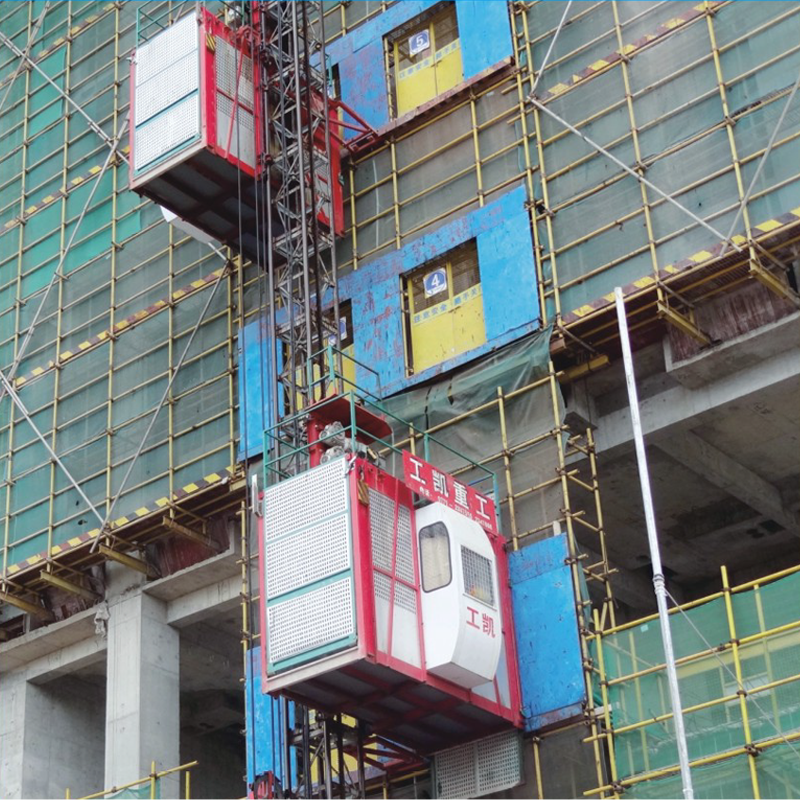
Introduction to Construction Hoists and Their Importance
Construction hoists are essential lifting devices utilized in various building projects, enabling the efficient and safe transportation of materials and personnel to elevated work areas. These mechanical systems are predominantly employed in high-rise construction, where they facilitate the movement of heavy loads, such as scaffolding, tools, and construction materials, significantly enhancing productivity and operational efficiency. By efficiently bridging the vertical height constraints on construction sites, hoists play a crucial role in streamlining workflows, reducing downtime, and improving site management.
The importance of construction hoists cannot be understated, as they address the inherent challenges faced in modern construction projects. With rising heights and complex architectural designs, the need for accessible vertical transportation systems becomes increasingly critical. Construction hoists not only optimize material handling logistics but also contribute to workforce safety by minimizing the need for manual lifting, thus reducing the risk of injuries associated with heavy lifting tasks.
Moreover, as construction environments are often fast-paced and fraught with potential hazards, the selection of a construction hoist must prioritize safety features. Effective hoist systems are designed with advanced safety measures that safeguard both operators and site workers, ensuring compliance with industry regulations and enhancing overall site safety culture. With the rapid advancement of technology, modern construction hoists are equipped with features that mitigate risks related to equipment failure, overloading, and improper usage.
In this context, it is imperative to examine the safety features integral to construction hoists, which are pivotal in protecting lives and property. Understanding the significance of these lifting systems and their associated safety mechanisms is essential for selecting the most suitable hoist for any construction project. As we delve deeper into this topic, it will become clear that prioritizing safety features in construction hoists is paramount for effective and responsible construction practices.
Key Safety Features to Prioritize
In the realm of modern construction, ensuring safety is paramount, especially when utilizing construction hoists. The following five safety features are essential for minimizing risks and enhancing the overall security of these hoists.
The first critical feature is overload protection. This mechanism prevents the hoist from carrying more weight than it is designed to support, which is crucial for avoiding accidents that could lead to equipment failure or worse, injuries. Overload protection systems often include audible alarms or visual indicators that alert operators when the load exceeds safe limits.
Next, an emergency stop system should be an integral part of any construction hoist. This feature allows the operator to halt the hoist's operation instantaneously in emergency situations, thereby preventing potential accidents. The emergency stop is typically accessible from multiple locations, ensuring quick access regardless of the operator's position at the time of the emergency.
The third safety feature, robust braking mechanisms, cannot be overlooked. Hoists equipped with multiple brakes are designed to stop and hold the load securely, enhancing safety during lifting and lowering operations. These mechanisms should be regularly inspected and maintained to ensure they perform optimally, preventing possible malfunctions.
Additionally, the presence of safety harness points greatly contributes to worker safety. These points allow operators and workers to secure themselves while working at elevated heights. Proper usage of safety harnesses ensures that individuals are protected from falls, one of the most common hazards in construction environments.
Finally, anti-tilt technology is a paramount feature that enhances the stability of the hoist. This system prevents the hoist from tilting excessively, which can lead to tipping over. By ensuring a balanced operation, this technology not only protects the equipment but also safeguards the lives of personnel working in the area.
Complying with regulatory standards and industry benchmarks in the design and operation of construction hoists is essential to ensure these safety features are implemented effectively. This adherence not only improves safety but also enhances the reliability of the equipment across various construction projects.
Evaluating Hoist Safety Features: What to Look For
When choosing a modern construction hoist, it is critical to assess its safety features comprehensively. Ensuring that the construction hoist complies with relevant safety standards and possesses proper certifications should be your first step. Certifications from recognized authorities not only indicate that the equipment has undergone thorough testing but also assure adherence to stringent safety protocols. Checking for these certifications helps mitigate risks associated with equipment failure, thereby protecting both personnel and materials on the job site.
Next, inquire about the maintenance protocols that the manufacturer supports. Regular maintenance is paramount for the safe operation of a construction hoist. A responsible manufacturer will provide detailed recommendations for routine inspections, maintenance schedules, and parts replacement. Understanding these maintenance protocols can help contractors plan accordingly, ensuring that the hoist operates safely throughout the duration of the project.
Another important aspect to evaluate is the ease of use of the safety features integrated into the hoist system. Safety mechanisms should be intuitive and straightforward to operate, allowing workers to focus on their tasks without additional confusion. Look for features such as emergency stop buttons, overload indicators, and safety locks that are easily accessible and clearly marked. Ensuring that these features are user-friendly will reduce the likelihood of mistakes that may lead to safety incidents.
Additionally, consider the manufacturer's reputation in the industry. A well-established manufacturer with positive reviews will likely prioritize safety in their designs and ensure high-quality construction of their hoists. Researching feedback from previous clients can provide valuable insights into the reliability and performance of the hoist's safety features.
Lastly, training personnel to utilize safety features correctly is often overlooked but is essential. Providing adequate training ensures that all operators understand how to safely engage with the equipment, ultimately enhancing job site safety. Investing time in training can drastically reduce incidents related to human error, making it a worthy consideration when evaluating hoist safety features.
Conclusion: Investing in Safety for Efficiency and Compliance
In evaluating the various safety features of modern construction hoists, it becomes clear that prioritizing these attributes is paramount for both compliance with regulations and enhancement of operational efficiency. The integration of advanced safety measures not only helps fulfill legal obligations but also minimizes risks associated with lifting operations. Consequently, a construction hoist equipped with robust safety features fosters a more secure working environment, thereby improving overall productivity and worker morale.
Moreover, the ongoing assessment of hoist systems is critical. Construction sites are dynamic environments that can change rapidly, necessitating a proactive approach to safety. Regular evaluations of the hoist’s safety features, including innovative enhancements and upgrades, are essential to maintain compliance and adapt to new safety standards. Emphasis should be placed on monitoring the performance of safety mechanisms such as load limits, fall protection systems, and emergency stop functions, ensuring that they are operational and effective at all times.
As technological advancements continue to influence the construction industry, it is vital to stay informed about the latest safety innovations related to hoists. Engaging with industry publications, attending safety seminars, and participating in training sessions can provide valuable insights into emerging technologies and best practices. This diligence allows project managers and safety officers to implement the most effective safety features into their hoist systems, contributing to safer job sites and reducing the likelihood of accidents.
Ultimately, investing in the safety features of modern construction hoists is a commitment to both worker safety and efficient site operations. By prioritizing these aspects, stakeholders in the construction sector can achieve a safer and more productive work environment, ensuring that safety remains at the forefront of their operational objectives.
Connect
Get in touch for your project needs today.
Contact us
Email:ann@gkzgtowercrane.com
Tel/Whatsapp/Wechat:+86 13437895301
Copyright © 2025. Guangxi Gongkai Heavy Industry Manufacturing Co.,Ltd.All Right Reserved
Address: No.12 Fuqiao Avenue, Longan Overseas Chinese Administration District, Nanning, Guangxi,China