Specialized Manufacturer Of Tower Cranes And Construction Hoists

Step-by-Step Guide for Operating Construction Hoists
12/23/20254 min read
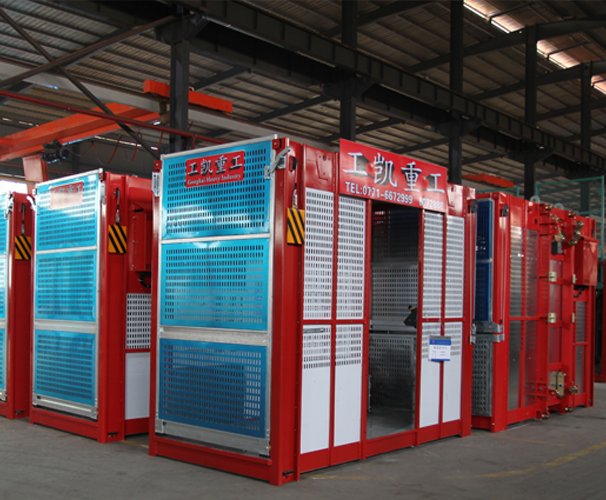
Introduction to Construction Hoists
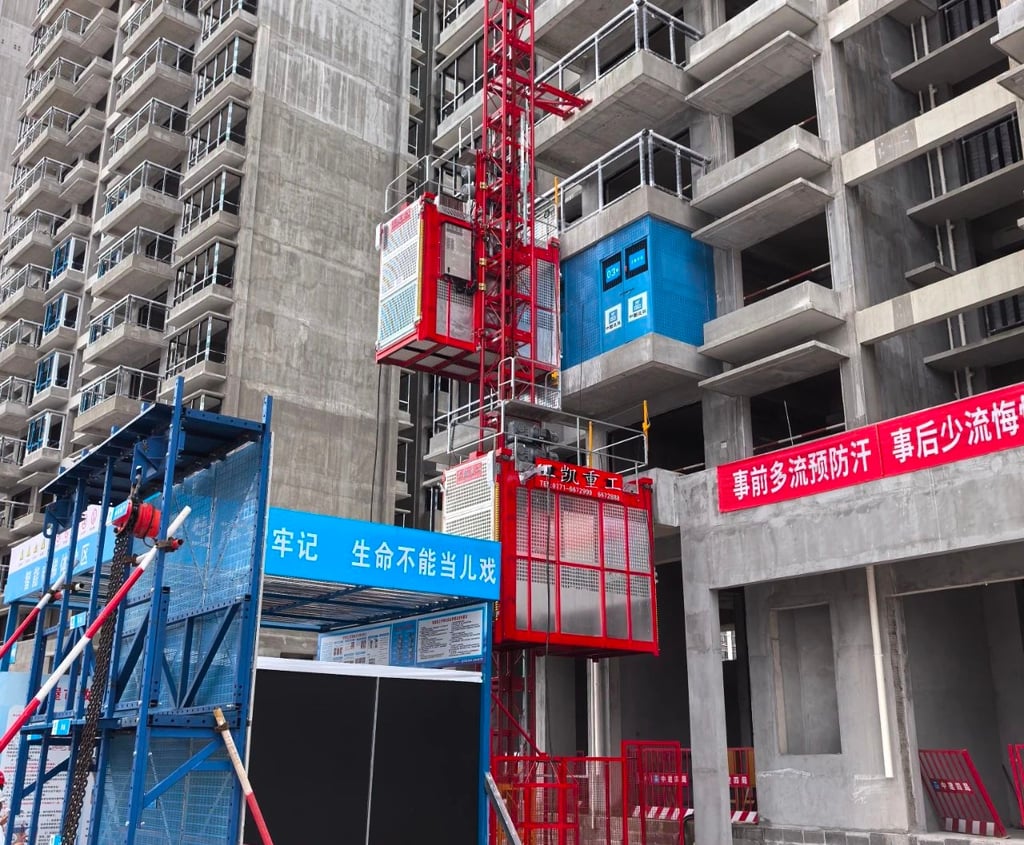
Construction hoists are vital equipment utilized in the construction industry, particularly for transporting materials, tools, and personnel vertically between different levels of a building site. These hoisting systems enhance efficiency during construction projects, allowing workers to expedite the transportation process, which is essential in meeting tight project deadlines. There are various types of construction hoists, each designed to cater to specific needs and operational requirements.
Two primary categories of construction hoists exist: personnel hoists and material hoists. Personnel hoists are designed specifically for transporting workers safely to elevated platforms. They are typically equipped with safety systems such as guardrails, emergency brakes, and secure access points to ensure worker safety at all times. On the other hand, material hoists focus on transporting heavy loads and construction materials such as bricks, concrete, and tools. These hoists are usually engineered for greater weight capacities and enhanced load stability.
The safe operation of construction hoists is paramount, given the inherent risks associated with lifting heavy materials and personnel. Compliance with safety regulations and operational protocols is not just a guideline; it is a legal requirement. Safety measures must therefore be closely adhered to, ensuring that all workers are trained effectively in hoist operation and understand the dangers involved. Operators must also be familiar with the specific types of hoists being used, along with their individual operational characteristics and safety features.
A comprehensive understanding of construction hoists, their categories, and the importance of safety and compliance, sets the foundation for discussing the detailed operational steps necessary for their effective and safe utilization in construction projects.
Safety Precautions and Regulations
Operating construction hoists is an activity that demands a keen awareness of safety precautions and regulations. Ensuring the well-being of operators and workers nearby is paramount. One of the fundamental components of operating construction hoists is the use of appropriate personal protective equipment (PPE). Operators should equip themselves with hard hats, safety glasses, gloves, and steel-toed boots. This gear minimizes the risk of injury from falling objects and other workplace hazards.
Furthermore, understanding the load limits of construction hoists is critical for safe operation. Each hoist has a specified capacity, which should never be exceeded. Operators must familiarize themselves with the hoist’s specifications and perform regular inspections to ensure that the equipment is in optimal working condition. Overloading a hoist can lead to catastrophic failures, endangering lives and causing significant property damage.
Compliance with the Occupational Safety and Health Administration (OSHA) guidelines and local regulations cannot be overstated. These regulations are designed to enhance safety in the workplace and are legally binding. Operators should be aware of the specific laws that pertain to their jurisdiction, including any updates or modifications that may have occurred. Additionally, attending training sessions that cover safety protocols and operational standards can significantly enhance an operator's competence and confidence.
Prior to the start of any hoisting operation, a comprehensive safety checklist should be conducted. This checklist includes inspections of the hoist mechanisms, safety devices, and the surrounding area to identify potential hazards. By adhering to these safety precautions and regulations, operators can help ensure the safety of themselves and their colleagues while operating construction hoists effectively.
Step-by-Step Operating Procedures
Operating a construction hoist requires careful attention to detail and strict adherence to safety protocols. The following step-by-step procedures will guide operators through the process, from initial setup to final shutdown, ensuring both efficiency and safety during operation.
First, before setting up the hoist, evaluate the installation site. Ensure the ground is level and stable and confirm that there are no overhead obstacles or power lines in the vicinity. Next, select the appropriate hoist model based on the load requirements and the height of the building. Assemble the hoist according to the manufacturer’s specifications, taking care to secure all components firmly.
Once the hoist is assembled, conduct thorough pre-operational checks. Inspect the cables, pulleys, and safety devices to ensure they are in proper working order. Ensure the emergency stop function works effectively and that all controls are easily accessible. It is also essential to check the hoist's load limit and ensure that it does not exceed the specifications set by the manufacturer.
After the pre-operation checks are complete and verified, begin operating the construction hoist. Start by familiarizing yourself with the control panel. Engage the power supply and perform a test run without any load to ensure the hoist moves smoothly. Once confident in its operation, carefully load materials onto the platform, adhering to the weight limit. Operators should understand the importance of even distribution of weight to maintain stability while the hoist is in motion.
During operation, maintain communication with ground personnel and comply with safety signals. Should any issues arise, such as unusual noises or stalling, immediately cease operation and assess the situation for potential troubleshooting. After use, securely lower the hoist platform, disconnect the power supply, and conduct a final safety check before leaving the site to ensure all equipment is secure and ready for future use.
Regular Maintenance and Inspection Guidelines
Maintaining construction hoists in optimal working condition requires a systematic approach to regular maintenance and thorough inspections. This not only ensures the safety of all personnel involved but also prolongs the life of the machinery and enhances its efficiency. It is critical to follow the manufacturer's guidelines for maintenance, as different models may have unique requirements.
Routine maintenance checks should be scheduled at regular intervals, typically on a weekly or monthly basis, depending on the usage frequency. During these checks, operators should assess several key components, such as the hoist motor, control systems, and safety devices. Ensuring that the lubrication system is functioning correctly is essential for minimizing friction and wear on moving parts. Additionally, inspection of the braking system is vital to ensure that it responds promptly and effectively under load.
During inspections, operators must look for visible signs of wear and tear, such as frayed cables, damaged safety lines, or loose bolts. It is also important to conduct load tests periodically to confirm that the hoist can support its rated capacity. Documentation of maintenance activities is important for tracking the performance of the hoist over time. Operators should maintain a detailed log that captures every inspection, maintenance action taken, and any anomalies observed. This log serves as a valuable resource for future reference and can help identify recurring issues that may need further investigation.
In conclusion, regular maintenance and inspection of construction hoists ensure their safe and efficient operation. By adhering to the recommended schedules and guidelines provided by manufacturers, operators can effectively mitigate risk and enhance the longevity of the equipment through diligent upkeep.
Connect
Get in touch for your project needs today.
Contact us
Email:ann@gkzgtowercrane.com
Tel/Whatsapp/Wechat:+86 13437895301
Copyright © 2025. Guangxi Gongkai Heavy Industry Manufacturing Co.,Ltd.All Right Reserved
Address: No.12 Fuqiao Avenue, Longan Overseas Chinese Administration District, Nanning, Guangxi,China