Specialized Manufacturer Of Tower Cranes And Construction Hoists

7 Core Advantages of Construction Hoists
12/25/20254 min read
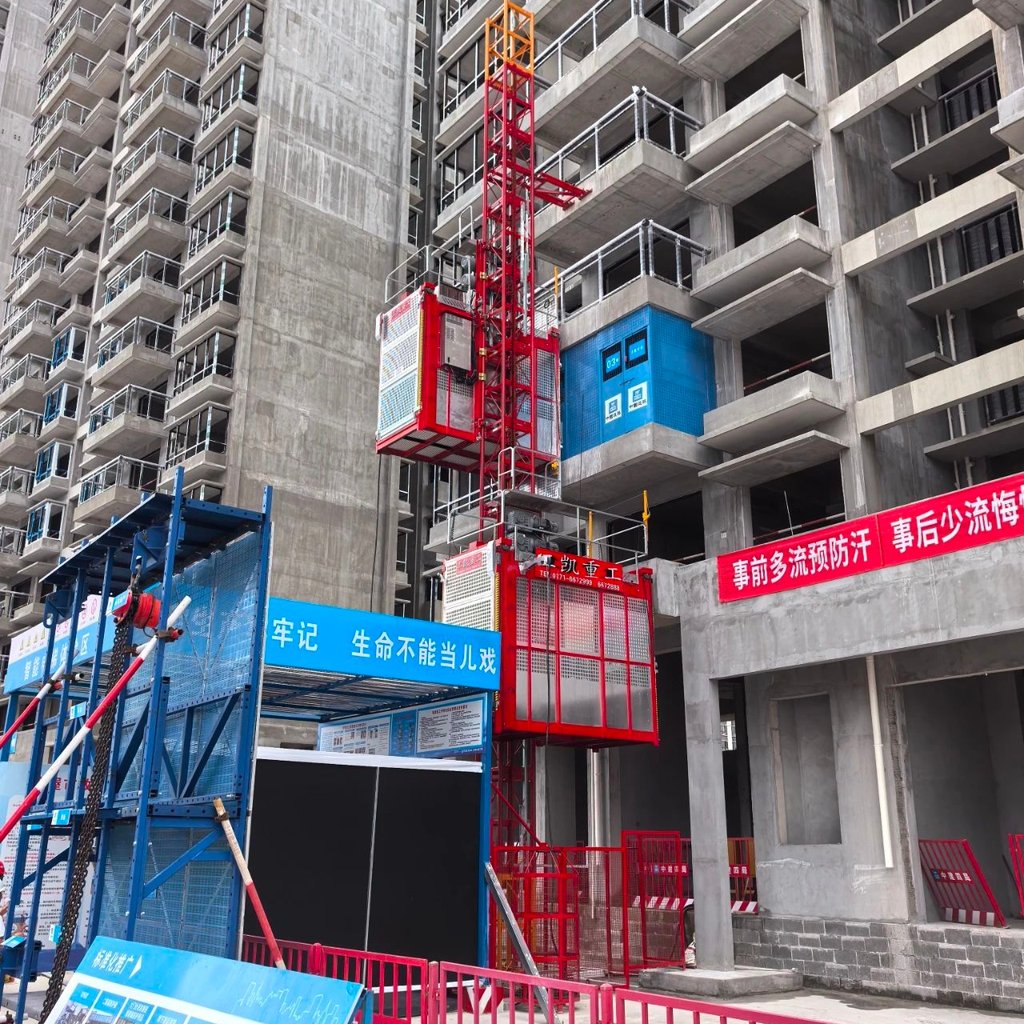
Enhanced Efficiency and Speed
In the realm of construction, timely execution is paramount, and this is where construction hoists come into play. These specialized machines significantly enhance the efficiency of transporting materials and personnel, contributing to faster project completion. Traditional methods of lifting and moving heavy loads are often cumbersome and time-consuming, leading to potential delays that can affect overall productivity. In contrast, construction hoists are designed to facilitate the rapid and safe vertical movement of heavy materials and workers, thus streamlining construction processes.
By reducing the time required for lifting operations, construction hoists not only hasten the movement of equipment but also alleviate the burden on labor forces. Workers can reach elevations quickly and safely, allowing for a more streamlined workflow across various tasks on-site. As hoists improve loading and unloading times, they collectively contribute to maintaining a continuous flow of work, thereby minimizing idle time usually spent on waiting for materials or personnel to be transported.
The rapid restoration of equipment to operational status can mean the difference between on-time and delayed project timelines. Moreover, the integration of construction hoists into project management allows for better coordination among teams. Material handling can be synchronized more effectively, empowering workers to focus on their specific responsibilities without the interruptions caused by manual transport delays. This enhanced workflow not only contributes to efficiency but also promotes safety, as reducing the manual handling of heavy loads mitigates the risk of accidents.
In conclusion, the implementation of construction hoists is a strategic move toward improving the overall efficiency and speed of construction projects. Their ability to expedite material transport and simplify the workflow ultimately supports construction managers in achieving timely completion while ensuring a safer working environment.
Improved Safety for Workers
The implementation of construction hoists significantly enhances the safety of workers on construction sites. By facilitating the lifting and transportation of heavy materials, these hoists diminish the risks associated with manual lifting, which can lead to a variety of injuries, ranging from strains and sprains to more severe accidents. With construction being one of the most hazardous industries, the introduction of hoists has been pivotal in promoting safer work environments.
One of the key safety features of construction hoists is the presence of guard rails. These rails act as a protective barrier, preventing workers from falling or being struck by falling objects. Furthermore, many modern construction hoists are equipped with emergency brakes, which are essential for halting the lift in case of malfunction or operator error. This feature is vital for protecting not only the operator but also other workers in proximity, thereby minimizing the chance of accidents.
Additionally, proper operator training is crucial for maximizing the safety benefits of construction hoists. Training ensures that operators understand how to correctly and safely operate the equipment, recognize potential hazards, and respond to emergencies. Compliance with industry regulations also plays a significant role in ensuring safety on site. Regulatory frameworks often dictate the standards for hoist operation, maintenance, and inspections, which are essential for preventing accidents. By adhering to these regulations, construction companies can ensure that their workforce is protected while performing tasks that involve heavy lifting.
In sum, the enhanced safety offered by construction hoists is multi-faceted. By reducing manual handling risks, incorporating safety features, and promoting proper training and compliance with regulations, these hoists not only safeguard the well-being of workers but also foster a culture of safety within the construction industry.
Cost-Effectiveness in Operations
Utilizing construction hoists can significantly enhance cost-effectiveness in various aspects of construction projects. One of the primary benefits is the reduction in labor costs. By employing construction hoists, the need for manual handling of heavy materials is greatly diminished. This allows workers to focus on more skilled tasks rather than transporting materials, leading to greater efficiency on the job site.
Moreover, the use of these hoists reduces the risk of damage to materials during transportation. When materials are moved manually, there is always a chance for accidents that can lead to breakage or other forms of damage, which in turn increases costs due to the need for replacements and repairs. Hoists safely elevate and transport materials, mitigating the risk of damage, and consequently, saving money.
Time is also a crucial factor when discussing cost-effectiveness. Construction hoists can move materials quickly and efficiently, ensuring that project timelines are adhered to and reducing delays. A timely completion of projects is critical as it minimizes overhead costs including temporary site rentals, equipment leasing, and labor costs associated with prolonged work schedules.
For instance, a prominent construction company reported that by integrating construction hoists into their workflow, they achieved up to a 30% reduction in labor costs on their projects. Another case study highlighted savings of approximately 15% on material costs due to decreased damage incidents. Such real-life examples underscore the financial advantages of using construction hoists, showcasing their potential to lead to substantial savings.
In summary, the implementation of construction hoists not only enhances safety and efficiency but also contributes to significant cost savings across labor, materials, and overall project timelines. These factors make construction hoists an invaluable asset in modern construction operations.
Versatility and Adaptability to Different Projects
Construction hoists are notable for their versatility, making them suitable for a wide array of building projects. From high-rise commercial structures to smaller residential homes, these machines can be tailored to meet the diverse demands of various construction environments. Their ability to assist in the transport of materials and personnel in vertical spaces significantly enhances the efficiency and safety of any construction site.
One of the most compelling aspects of construction hoists is their adaptability concerning size and type. Depending on the project scale, construction hoists can be selected with specific load capacities to meet the unique requirements of different sites. For instance, smaller hoists may be perfect for townhouse constructions, while larger models can accommodate the heavy load demands of skyscrapers. This flexibility allows contractors to choose equipment that aligns perfectly with job site challenges.
Moreover, construction hoists can be further customized or modified to suit the specific needs of any job site. This includes adjusting configurations, changing load limits, or even integrating additional safety features to comply with local regulations and safety standards. Such modifications enable builders to maximize the use of space and optimize workflow during construction, which can lead to improved timelines and overall project success.
In sectors where unique challenges arise—such as historic renovations or complex commercial projects—construction hoists can be adjusted to facilitate easier access to awkwardly shaped buildings or tight spaces. This adaptability is vital, as it ensures that hoists can effectively function in varying environments, thus proving their importance across diverse construction scenarios.
Connect
Get in touch for your project needs today.
Contact us
Email:ann@gkzgtowercrane.com
Tel/Whatsapp/Wechat:+86 13437895301
Copyright © 2025. Guangxi Gongkai Heavy Industry Manufacturing Co.,Ltd.All Right Reserved
Address: No.12 Fuqiao Avenue, Longan Overseas Chinese Administration District, Nanning, Guangxi,China