Specialized Manufacturer Of Tower Cranes And Construction Hoists

Are Tower Cranes Electric or Diesel?
1/13/20264 min read
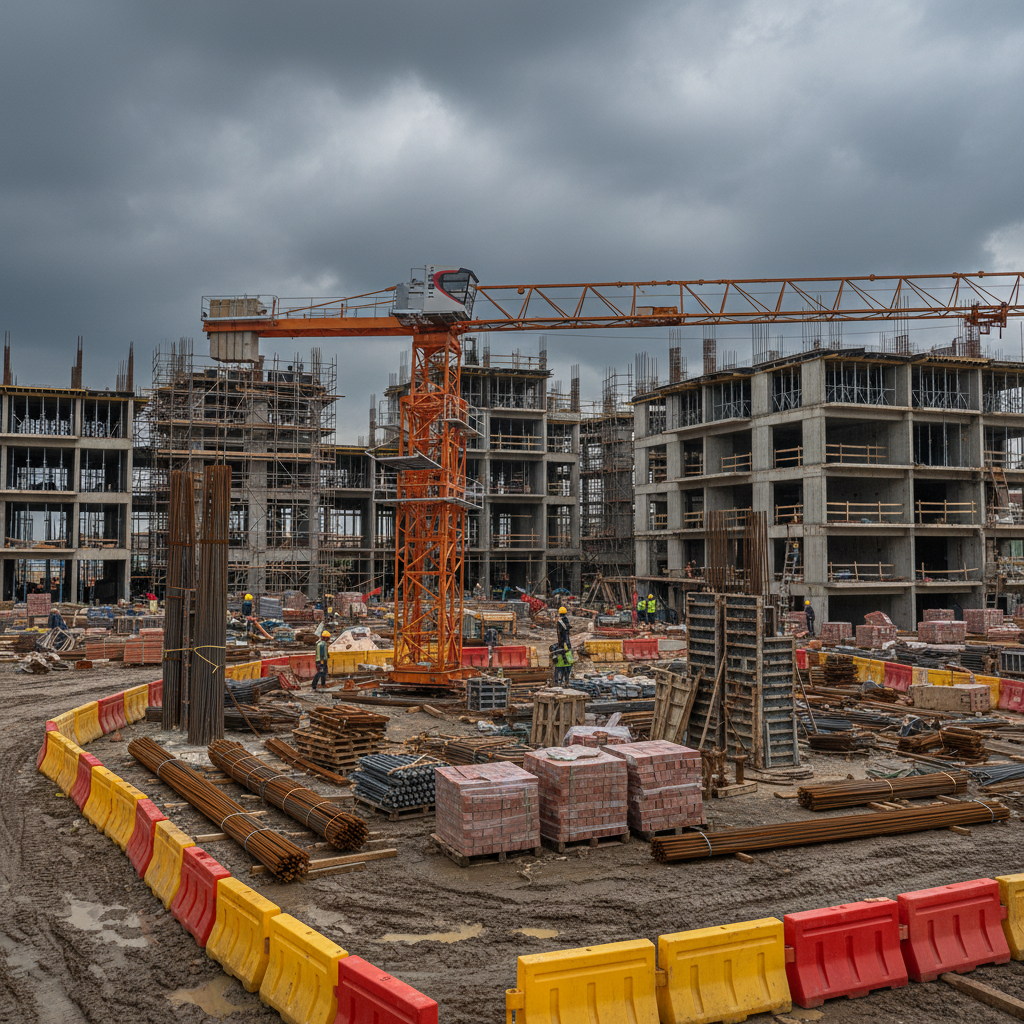

Understanding Tower Cranes: Basics and Types
A tower crane is a modern form of a crane that is characterized by its vertical tower structure, which offers remarkable strength and stability during construction projects. Tower cranes are essential in large-scale construction, as they are capable of lifting heavy materials to significant heights. Due to their impressive reach and lifting capacities, they are frequently employed in the construction of high-rise buildings, bridges, and large infrastructural projects.
There are primarily two types of tower cranes: electric and diesel. Electric tower cranes operate using electric motors, which provide a more environmentally friendly solution, along with lower operational costs. These cranes are often used in locations where access to power sources is available, making them ideal for urban constructions where noise and emissions might be a concern.
On the other hand, diesel-powered tower cranes rely on internal combustion engines and are typically used in locations where power supply is limited or in outdoor environments where mobility and flexibility are essential. Diesel cranes tend to have higher lifting capacities and can be more effective in remote areas or job sites with rough terrain.
When choosing between electric and diesel tower cranes, considerations include site location, fuel availability, budget, and the specific requirements of the project. Additionally, tower cranes are equipped with various features such as rotating capabilities, height adjustability, and load monitoring systems, enhancing their functionality for a wide range of construction applications. Their versatility and efficiency continue to make tower cranes a preferred option in the construction industry.
Electric Tower Cranes: Advantages and Limitations
Electric tower cranes are increasingly becoming a popular choice in construction projects, primarily due to their operational efficiency and environmental benefits. Unlike their diesel counterparts, electric cranes operate using electricity, which can lead to significant reductions in both noise pollution and emissions. This makes them particularly well-suited for urban construction sites where noise restrictions and environmental regulations are stringent. The use of electric power also results in lower operational costs over time, as electricity is often cheaper than diesel fuel.
Moreover, electric tower cranes tend to have higher lift capacities and faster operating speeds, boosting productivity on site. They can be easily integrated with modern electrical systems and can even work in conjunction with renewable energy sources, such as solar panels. This not only improves their energy efficiency but also further reduces their ecological footprint, making them an attractive option for eco-conscious construction firms.
However, the reliance on electricity does introduce certain limitations. One of the significant challenges is the requirement for a robust power supply. Electric tower cranes can only operate in areas where a sufficient electrical infrastructure is available. This may necessitate additional planning and investment to ensure that job sites can support the power needs of the cranes. Furthermore, in the event of a power outage, electric cranes would become inoperative until power is restored, potentially causing delays in construction schedules.
In summary, electric tower cranes offer numerous advantages in terms of efficiency and environmental sustainability, particularly in urban environments. However, careful consideration must be given to their reliance on electrical supply and potential interruptions. Overall, they present a compelling option for construction projects aimed at minimizing environmental impact while maximizing operational efficiency.
Diesel Tower Cranes: Power and Performance
Diesel tower cranes are a common sight on large construction sites, where their power and performance make them essential for heavy lifting and moving materials. One of the most significant advantages of diesel cranes lies in their mobility. These cranes do not rely on a constant power supply, allowing them to operate in remote locations without electric infrastructure. This flexibility enables project managers to deploy diesel cranes in varied terrains, making them ideal for large-scale construction projects such as bridges, skyscrapers, and roadworks.
In terms of performance, diesel tower cranes are designed to deliver high torque and lifting capacity, which is crucial for tasks that demand the lifting of heavy loads. Their robust engines are capable of generating greater power compared to their electric counterparts, making them suitable for handling the demands of rigorous construction schedules. Operators appreciate the reliability of diesel engines, particularly when it comes to powering heavy machinery and enduring long hours of operation, which often characterizes extensive building projects.
However, these cranes are not without their drawbacks. Diesel-powered tower cranes typically have a larger environmental footprint due to fuel consumption and emissions. As regulations on air quality become stricter, construction companies may face pressure to consider electric crane options, which tend to produce fewer emissions. Additionally, the operational costs of diesel cranes encompass fuel expenses, maintenance, and potential regulatory fines related to emissions, factors that project managers must weigh against the undeniable advantages of power and mobility.
In conclusion, while diesel tower cranes offer unmatched performance and mobility, they present certain environmental and cost considerations that may lead to a shift towards electric alternatives in the future.
Choosing Between Electric and Diesel Tower Cranes: Factors to Consider
When it comes to selecting between electric and diesel tower cranes, several critical factors should inform your decision. Firstly, the site conditions play a pivotal role; if the construction site is in an urban area with strict noise and emission regulations, electric tower cranes are often preferred due to their lower environmental impact. Conversely, in isolated locations or sites lacking electrical infrastructure, diesel cranes might be more practical, as they do not rely on external power sources.
Project scope is another important consideration. For extensive projects that require heavy lifting over long durations, diesel cranes may be favored for their robust operational capabilities and longer running times. However, electric cranes are increasingly able to accommodate significant workloads while offering a quieter operation, making them suitable for various applications.
Budgetary constraints also influence the choice between electric and diesel models. Although electric cranes may have a higher initial investment, they typically offer lower operating costs over time due to reduced fuel consumption and decreased maintenance requirements. It is essential to weigh the total cost of ownership against immediate capital outlays to ascertain the best option for your project.
Furthermore, environmental regulations are becoming more stringent globally. Many construction projects are now mandated to minimize their carbon footprint. Thus, opting for electric tower cranes can help companies meet these regulations while boosting their reputation as environmentally conscious organizations.
Industry experts predict that the future will see an increasing adoption of hybrid cranes, which combine the advantages of both electric and diesel systems, thus providing versatility across various conditions. Additionally, advancements in electric crane technology are enabling better performance and efficiency, making them an attractive option for future projects.
Connect
Get in touch for your project needs today.
Contact us
Email:ann@gkzgtowercrane.com
Tel/Whatsapp/Wechat:+86 13437895301
Copyright © 2025. Guangxi Gongkai Heavy Industry Manufacturing Co.,Ltd.All Right Reserved
Address: No.12 Fuqiao Avenue, Longan Overseas Chinese Administration District, Nanning, Guangxi,China