20+Years Specialized Manufacturer Of Tower Cranes And Construction Hoists

Complete Guide to Tower Cranes: Types, Specifications & Selection
6/11/202612 min read
Recommended Training Components:
1. Theoretical instruction (40+ hours)
2. Practical operation (120+ hours supervised)
3. Safety procedures and emergency response
4. Daily inspection protocols
5. Communication/signal training
6. Maintenance awareness
Ongoing Requirements: Annual medical examinations, periodic refresher training, documented continuing education.
Conclusion: Making the Right Tower Crane Choice
Selecting the appropriate tower crane requires careful analysis of project requirements, site conditions, and operational needs. Whether you need a compact QTZ63 for residential construction or a heavy-lifting QTZP250 for super high-rise development, understanding the specifications and applications of each crane type ensures optimal project outcomes.
Key Takeaways:
1. Match capacity to project needs—avoid over-specification that increases costs
2. Consider future requirements—plan for potential design changes during construction
3. Prioritize safety certifications—CE, ISO, and regional compliance are essential
4. Factor in total cost of ownership—purchase price is only 60-70% of lifecycle cost
5. Plan for logistics—erection, operation, and dismantling logistics affect project schedules
Ready to Source Your Tower Crane?
As a 20-year manufacturer with 60,000㎡ production facilities, 38 patents, and CE & ISO certifications, Guangxi Gongkai Heavy Industry delivers reliable tower cranes and construction hoists to markets worldwide.
Contact Our Export Team:
• Email: ann.lin@gkzgtowercrane.com
• WhatsApp: +86 19377161135
• Website: gkzgtowercrane.com
• Response Time: Within 24 hours for inquiries
We provide complete tower crane solutions including:
• Custom configuration based on your project specifications
• Complete documentation packages (CE, ISO, test certificates)
• Installation guidance and operator training support
• Spare parts supply and after-sales service
About the Author
The Engineering Team at Guangxi GK Heavy Industry
Guangxi Gongkai Heavy Industry Manufacturing Co., Ltd. has been designing and manufacturing construction machinery since 2005. With 38 patents in crane technology and a 60,000㎡ manufacturing base, our 300-person team serves construction companies across 50+ countries.
As a certified high-tech enterprise with ISO 9001 and CE accreditation, we specialize in QTZP flat top tower cranes, QTZ hammerhead tower cranes, and SC series construction hoists. Our products meet international standards including EU CE, ISO, and GOST requirements for global market compliance.


Introduction: Understanding Tower Cranes in Modern Construction
Tower cranes are the backbone of modern construction, enabling the efficient vertical and horizontal movement of heavy materials across high-rise building projects worldwide. Whether you're constructing a 30-story commercial tower or industrial infrastructure, selecting the right tower crane directly impacts project timelines, safety outcomes, and budget efficiency.
This comprehensive guide covers everything you need to know about tower crane types, technical specifications, selection criteria, and safety requirements. As a manufacturer with 20 years of experience and 38 patents in heavy machinery, Guangxi GK Heavy Industry provides expert insights to help construction professionals make informed procurement decisions.
Key Takeaway: The three primary tower crane categories—flat top (QTZP series), hammerhead (QTZ series), and luffing jib—each serve distinct operational needs. Selection depends on building height, site constraints, lifting capacity requirements, and multi-crane coordination strategies.
What is a Tower Crane?
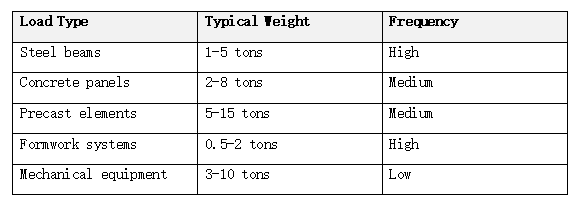
A tower crane is a fixed crane mounted on a steel structure, primarily used in construction for lifting and moving heavy materials such as steel beams, concrete panels, and machinery components. Unlike mobile cranes, tower cranes are designed for sustained use throughout a construction project, offering superior height capabilities and lifting precision.
How Tower Cranes Work
Tower cranes operate through four fundamental movements:
1. Trolley Hoist: Moves the load horizontally along the jib (working arm)
2. Slewing: Rotates the crane's upper structure 360 degrees
3. Hoist: Raises and lowers the load vertically
4. Trolley Travel: Shifts the trolley position to control horizontal reach
The crane's mast (tower) provides vertical height, anchored to a concrete foundation. The counterjib carries counterweights to balance the load moment, ensuring structural stability during operations.
Why Tower Cranes Dominate High-Rise Construction
• Height Capability: Free-standing heights up to 60m+ without external support
• Precision Positioning: Controlled trolley and hoist systems for accurate material placement
• Heavy Lifting Capacity: Ranging from 4 tons to over 20 tons depending on model
• Extended Reach: Jib lengths up to 70m covering large work areas
• Continuous Operation: Designed for 12+ hour daily operation cycles
Types of Tower Cranes
Selecting the appropriate crane type is fundamental to construction efficiency. Here are the main categories with their applications, advantages, and limitations.
1. Flat Top Tower Crane (QTZP Series)
[Internal Link: /products/flat-top-tower-crane]
Flat top cranes feature a horizontal jib without a towers-top section, using a cross信托 truss structure at the top. This design maximizes hook height and simplifies assembly in confined spaces.
Best For: High-rise buildings, urban construction sites with height restrictions, projects requiring maximum lifting height.
Advantages:
• ✅ Higher hook height due to absence of tower head
• ✅ Easier assembly and dismantling in tight spaces
• ✅ Better wind resistance for tall installations
• ✅ Reduced mechanical complexity
Limitations:
• ❌ Typically higher initial investment
• ❌ Limited jib length compared to some hammerhead models
2. Hammerhead Tower Crane (QTZ Series)
[Internal Link: /products/hammerhead-tower-crane]
The hammerhead crane features a horizontal jib with a counterjib extending backward, topped with a tower head structure. This traditional design offers excellent stability and is widely used globally.
Best For: General construction, medium-rise projects, sites requiring strong lifting moments.
Advantages:
• ✅ Proven, reliable design with decades of engineering refinement
• ✅ Excellent load moment characteristics
• ✅ Wide availability of spare parts and service technicians
• ✅ Cost-effective for many project types
Limitations:
• ❌ Tower head reduces maximum hook height
• ❌ More complex assembly in confined spaces
3. Luffing Jib Tower Crane
The luffing jib crane features an angled jib that can change its angle of elevation, allowing operation in confined spaces where a horizontal jib would be obstructed by adjacent structures.
Best For: Urban construction with neighboring buildings, congested sites, projects near power lines.
Advantages:
• ✅ Operates in tighter horizontal spaces
• ✅ Can work around obstacles by adjusting jib angle
• ✅ Ideal for cluster construction sites
Limitations:
• ❌ Reduced lifting capacity at steeper angles
• ❌ More complex operational procedures
• ❌ Higher operator skill requirements
4. Self-Erecting Tower Crane
Self-erecting cranes arrive at the site in a compact configuration and erect themselves using their own hydraulic systems. These are ideal for smaller projects with limited space.
Best For: Low-rise construction, residential projects, temporary installations.
Key Specifications Explained
Understanding technical specifications is essential for selecting the right crane. Here's a detailed breakdown of critical parameters:
Maximum Lifting Capacity
The maximum load a crane can lift at its shortest working radius. This specification determines what materials can be handled:
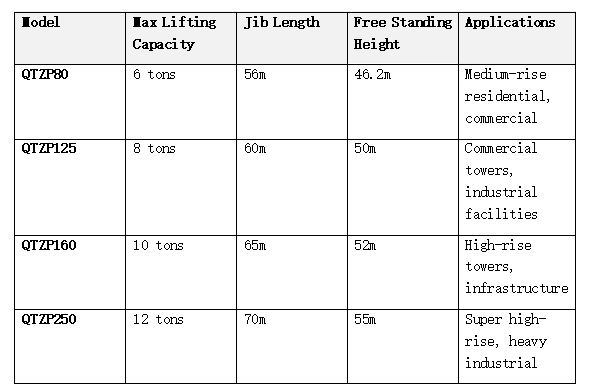
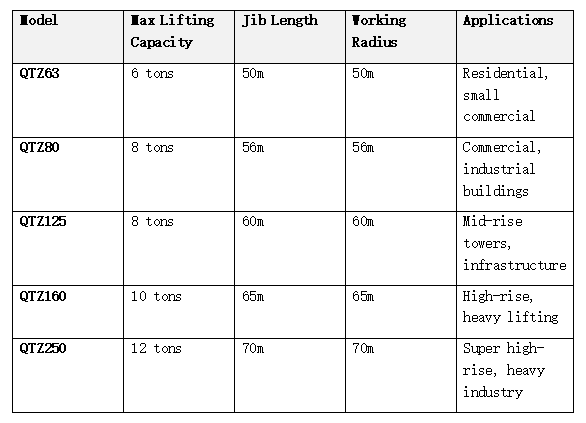
• QTZP/QTZ Series: Ranges from 6 tons (QTZ63) to 12 tons (QTZP250)
• Tip Load: The maximum load at the jib tip, significantly lower than maximum capacity
• Formula: Tip Load = Maximum Capacity × (Minimum Radius / Maximum Radius)
Example: If a QTZP125 has 8t max capacity at 2.5m radius and 60m jib, the tip load might be approximately 0.8-1.2 tons.
Jib Length (Working Radius)
The horizontal distance from the tower center to the trolley at maximum extension:
• QTZP Series: 56m-70m
• QTZ Series: 50m-70m
• Selection Factor: Determines how much building footprint one crane can cover
Free Standing Height
The maximum height the crane can achieve without external bracing or climbing ties:
• QTZP Series: 46.2m-55m
• QTZ Series: Similar heights achievable with standard mast sections
• Note: Buildings taller than free standing height require tied-in connections to structure
Mast (Tower) Specifications
• Standard Section Height: Typically 2.5m-3m per mast section
• Section Strength: Determined by steel grade and cross-sectional design
• Anchoring: Crane must be anchored to concrete foundation or building structure
Hoist Speed and Performance
• Hoist Speed: 0-80 m/min depending on load (slower when heavier)
• Trolley Speed: 0-60 m/min typically
• Slewing Speed: 0-0.6 rpm (rotation per minute)
Power Requirements
• Standard Supply: 380V/50Hz (3-phase) or 460V/60Hz for North American markets
• Power Consumption: 40-80 kW depending on model and operation
• Backup Systems: Emergency stop and failsafe mechanisms
How to Select the Right Tower Crane
[Internal Link: /tower-crane-solutions]
Proper crane selection impacts project safety, efficiency, and cost-effectiveness. Follow this systematic evaluation process:
Step 1: Analyze Building Height Requirements
Calculate Required Hook Height:
Required Height = Building Height + 10-15m (safety margin) + Load Height (4-6m)
For a 100m building: Minimum hook height = 100 + 15 + 6 = 121m
Evaluate Free Standing vs. Tied-in Options:
• Free Standing Height < Required Height: Need climbing ties to building structure
• Climbing tie interval: Every 20-25m typically
• Each climbing operation adds cost and time
Step 2: Assess Lifting Capacity Needs
Advantages:
• ✅ Proven, reliable design with decades of engineering refinement
• ✅ Excellent load moment characteristics
• ✅ Wide availability of spare parts and service technicians
• ✅ Cost-effective for many project types
Limitations:
• ❌ Tower head reduces maximum hook height
• ❌ More complex assembly in confined spaces
3. Luffing Jib Tower Crane
The luffing jib crane features an angled jib that can change its angle of elevation, allowing operation in confined spaces where a horizontal jib would be obstructed by adjacent structures.
Best For: Urban construction with neighboring buildings, congested sites, projects near power lines.
Advantages:
• ✅ Operates in tighter horizontal spaces
• ✅ Can work around obstacles by adjusting jib angle
• ✅ Ideal for cluster construction sites
Limitations:
• ❌ Reduced lifting capacity at steeper angles
• ❌ More complex operational procedures
• ❌ Higher operator skill requirements
4. Self-Erecting Tower Crane
Self-erecting cranes arrive at the site in a compact configuration and erect themselves using their own hydraulic systems. These are ideal for smaller projects with limited space.
Best For: Low-rise construction, residential projects, temporary installations.
Key Specifications Explained
Understanding technical specifications is essential for selecting the right crane. Here's a detailed breakdown of critical parameters:
Maximum Lifting Capacity
The maximum load a crane can lift at its shortest working radius. This specification determines what materials can be handled:
• QTZP/QTZ Series: Ranges from 6 tons (QTZ63) to 12 tons (QTZP250)
• Tip Load: The maximum load at the jib tip, significantly lower than maximum capacity
• Formula: Tip Load = Maximum Capacity × (Minimum Radius / Maximum Radius)
Example: If a QTZP125 has 8t max capacity at 2.5m radius and 60m jib, the tip load might be approximately 0.8-1.2 tons.
Jib Length (Working Radius)
The horizontal distance from the tower center to the trolley at maximum extension:
• QTZP Series: 56m-70m
• QTZ Series: 50m-70m
• Selection Factor: Determines how much building footprint one crane can cover
Free Standing Height
The maximum height the crane can achieve without external bracing or climbing ties:
• QTZP Series: 46.2m-55m
• QTZ Series: Similar heights achievable with standard mast sections
• Note: Buildings taller than free standing height require tied-in connections to structure
Mast (Tower) Specifications
• Standard Section Height: Typically 2.5m-3m per mast section
• Section Strength: Determined by steel grade and cross-sectional design
• Anchoring: Crane must be anchored to concrete foundation or building structure
Hoist Speed and Performance
• Hoist Speed: 0-80 m/min depending on load (slower when heavier)
• Trolley Speed: 0-60 m/min typically
• Slewing Speed: 0-0.6 rpm (rotation per minute)
Power Requirements
• Standard Supply: 380V/50Hz (3-phase) or 460V/60Hz for North American markets
• Power Consumption: 40-80 kW depending on model and operation
• Backup Systems: Emergency stop and failsafe mechanisms
How to Select the Right Tower Crane
[Internal Link: /tower-crane-solutions]
Proper crane selection impacts project safety, efficiency, and cost-effectiveness. Follow this systematic evaluation process:
Step 1: Analyze Building Height Requirements
Calculate Required Hook Height:
Required Height = Building Height + 10-15m (safety margin) + Load Height (4-6m)
For a 100m building: Minimum hook height = 100 + 15 + 6 = 121m
Evaluate Free Standing vs. Tied-in Options:
• Free Standing Height < Required Height: Need climbing ties to building structure
• Climbing tie interval: Every 20-25m typically
• Each climbing operation adds cost and time
Step 2: Assess Lifting Capacity Needs
Determine Peak Load Requirements:
• What is the heaviest single lift?
• What is the heaviest lift at maximum radius?
• Required tip load capacity?
Step 3: Evaluate Site Space Constraints
Horizontal Space Considerations:
• Crane base footprint: 4m × 4m to 8m × 8m depending on model
• Jib swing radius: Must clear site boundaries, adjacent buildings, power lines
• Counterjib swing: Often overlooked—requires clear space behind tower
Site Access:
• Delivery vehicle access for mast sections and counterweights
• Assembly crane requirements for erection/dismantling
• Underground utilities affecting foundation placement
Step 4: Calculate Coverage Requirements
One crane can typically cover a building footprint of:
Coverage Area = Jib Length × Counterjib Coverage Width
For optimal efficiency, position the crane to minimize re-bar placement movements. Multi-crane coverage may be necessary for large footprints.
Step 5: Multi-Crane Operations
When projects require multiple cranes:
1. Non-Overlapping Zones: Assign exclusive working areas to prevent collision
2. Height Differentiation: Maintain minimum 5m vertical separation between jibs
3. Anti-Collision Systems: Install sensors and software to prevent contact
4. Communication Protocol: Establish clear operator coordination procedures
5. Load Chart Coordination: Ensure combined loads don't exceed structural limits
Tower Crane Safety Standards
Safety compliance is non-negotiable in crane operations. Understanding certification requirements protects workers and ensures legal operation.
CE Certification (European Market)
The CE mark indicates compliance with EU Machinery Directive 2006/42/EC:
Key Requirements:
• Risk assessment documentation
• Emergency stop systems
• Load moment limiter (LML)
• Overload protection devices
• Wind speed monitoring
• Documentation and operating manuals in local languages
CE Components for Tower Cranes:
• Hoist limit switch
• Trolley travel limit switches
• Slew limit switches
• Anemometer with automatic stop function
• Anti-collision interface ports
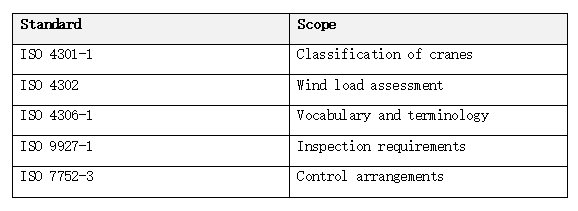
ISO Certification Standards
Relevant ISO Standards:
OSHA Requirements (North America)
For US operations, comply with OSHA 29 CFR 1926 Subpart CC:
• Operator qualification and certification
• Daily inspection requirements
• Signal person qualifications
• Power line clearance distances
• Fall protection for maintenance personnel
Manufacturer Certifications
When sourcing from manufacturers like Guangxi GK Heavy Industry, verify:
• ✅ ISO 9001:2015 quality management system
• ✅ ISO 14001 environmental management
• ✅ CE certification for EU markets
• ✅ Third-party inspection certificates (SGS, BV, CCS)
• ✅ Patent certifications for proprietary technologies
Tower Crane Foundation Requirements
Proper foundation design is critical for crane stability and safe operation.
Foundation Types
1. Standard Concrete Pad Foundation
Most common for tower cranes:
• Concrete grade: Minimum C30/37
• Typical dimensions: 6m × 6m × 1.5m (adjust based on soil conditions)
• Reinforcement: Steel rebar grid per structural engineering specifications
• Curing time: Minimum 21 days before crane erection
2. Pile Foundation
Required for poor soil conditions or high loads:
• Engineer-designed pile arrangement
• Pile cap connecting to ground beams
• Soil bearing capacity: Minimum 150 kPa typically
3. Raft Foundation
For complex ground conditions:
• Continuous concrete slab under crane working area
• Distributes loads across larger area
• Higher cost but superior stability
Foundation Design Considerations
Soil Bearing Capacity:
• Conduct geotechnical survey before design
• Factor in groundwater levels
• Consider adjacent excavation impacts
Environmental Factors:
• Frost depth (affects foundation depth in cold climates)
• Seismic zone requirements
• Water table fluctuations
Anchor Bolt Installation:
• Precision placement during concrete pouring
• Template guidance for alignment
• Torque specifications per manufacturer
Frequently Asked Questions (FAQ)
1. What is the lifespan of a tower crane?
Q: How long can a tower crane remain in service?
A: With proper maintenance, tower cranes typically operate for 15-25 years (40,000-60,000 operating hours). Key lifespan factors include:
• Maintenance Quality: Regular inspection and part replacement extends service life
• Operating Hours: Heavy daily use accelerates wear
• Environmental Conditions: Coastal/industrial environments increase corrosion
• Major Inspections: 5-year and 10-year comprehensive inspections recommended
• Repair History: Documented repairs indicate proactive maintenance
GKZG designs cranes with 30+ year structural lifespans under standard operating conditions.
2. What certifications are required for tower cranes?
Q: Which certifications should I look for when purchasing a tower crane?
A: Essential certifications include:
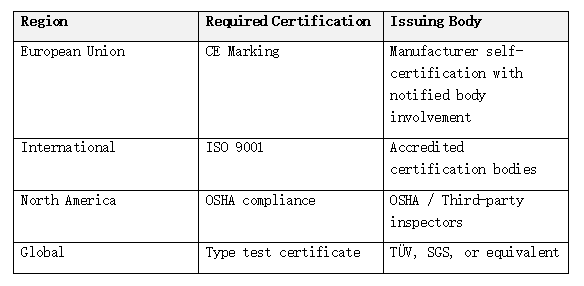
Always request copies of certificates before purchase. Reputable manufacturers provide complete documentation packages including test certificates, material certificates, and welding procedure qualifications.
3. What is the typical maintenance interval?
Q: How often do tower cranes require maintenance?
A: Maintenance follows a tiered schedule:
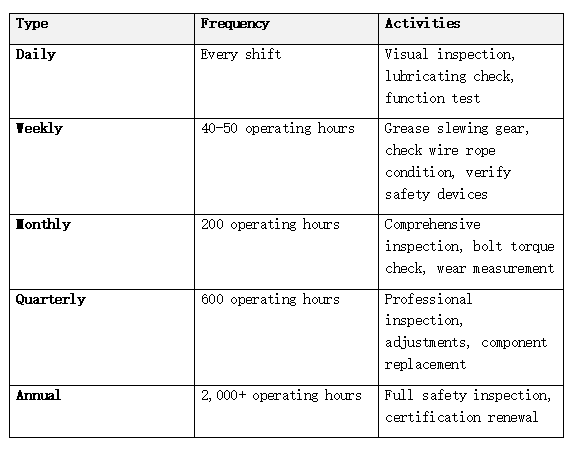
Important: Daily inspections by operators are mandatory. Professional technicians should perform quarterly and annual inspections. Maintain detailed inspection logs for warranty claims and resale value.
4. How do I determine the correct crane size for my project?
Q: What factors should I consider when sizing a tower crane?
A: Follow this decision matrix:
1. Building Height: Add 15-20% to structure height for hook clearance
2. Heaviest Lift: Identify maximum single load weight
3. Reach Required: Jib length should cover 70-80% of building footprint
4. Tip Load at Maximum Reach: Verify crane can handle loads at job site boundaries
5. Site Constraints: Clearances for jib swing, counterjib rotation
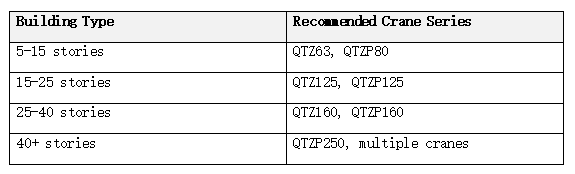
Quick Sizing Guide:
5. What is the difference between QTZ and QTZP cranes?
Q: Should I choose a hammerhead (QTZ) or flat top (QTZP) crane?
A: Key differences:
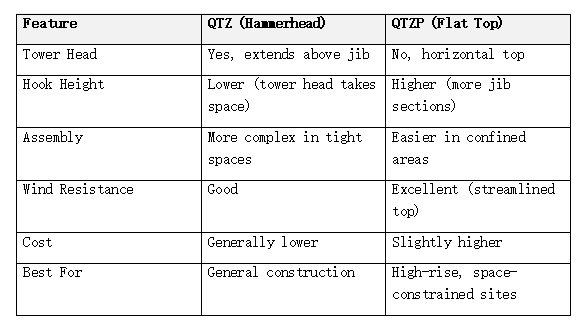
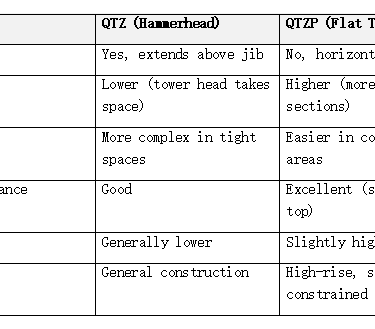
Recommendation: QTZP for projects exceeding 100m height or with vertical space constraints. QTZ for standard medium-rise construction with budget considerations.
6. Can tower cranes operate in high winds?
Q: What wind conditions affect tower crane operation?
A: Tower cranes have strict wind limits:
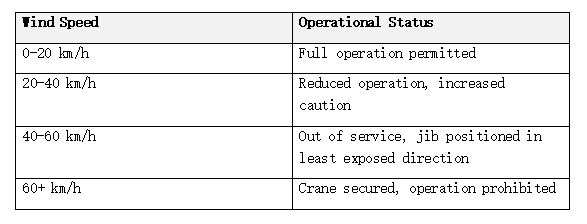
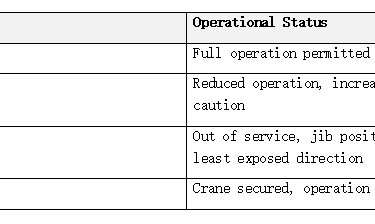
Safety Protocol: Modern cranes include anemometers that automatically activate wind speed alarms. Operators must secure the crane when wind exceeds working limits:
1. Slew jib perpendicular to prevailing wind
2. Release trolley brakes
3. Counterweight positioned to windward side
4. Lock all limit switches
5. Notify site management
7. What are the electrical requirements?
Q: What power supply is needed for tower cranes?
A: Electrical specifications:
Standard Requirements:
• Voltage: 380V-415V / 50Hz (Europe, Asia) or 460V-480V / 60Hz (North America)
• Power Capacity: 63A-200A depending on crane model
• Phases: 3-phase, 4-wire system with grounding
Installation Requirements:
• Dedicated transformer or main distribution panel
• Voltage fluctuation should not exceed ±10%
• Emergency stop circuit independent of main power
• Lightning protection grounding system
• Regular inspection of electrical components
Power Backup: Consider generator capacity for construction sites with unreliable grid power. Sizing should account for in-rush current during motor startup.
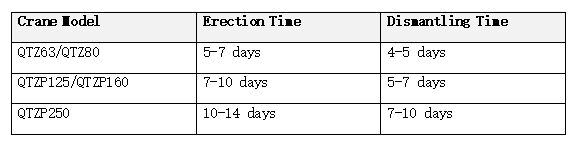
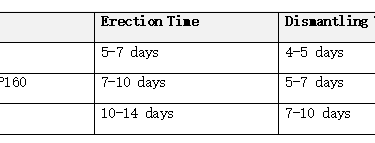
8. How long does it take to erect and dismantle a tower crane?
Q: What is the typical timeline for crane assembly and removal?
A: Erection and dismantling times:
Factors Affecting Timeline:
• Site accessibility for mobile cranes
• Available ground space for component staging
• Weather conditions
• Crew experience and equipment
• Climbing requirements during construction
Planning Note: Budget 2-3 weeks total for mobilization and demobilization. Include this timeline in project scheduling to avoid delays.
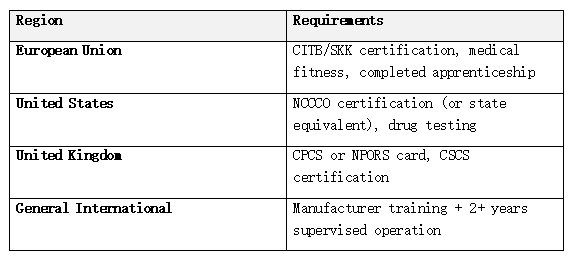
9. What training is required for tower crane operators?
Q: What qualifications should tower crane operators have?
A: Operator requirements vary by region:
Connect GKZG
Get in touch for your project needs today.
Contact us
Tel/Whatsapp/Wechat:+86 19377161135
Copyright © 2026. Guangxi Gongkai Heavy Industry Manufacturing Co.,Ltd.All Right Reserved
Address: No.12 Fuqiao Avenue, Longan Overseas Chinese Administration District, Nanning, Guangxi,China