20+Years Specialized Manufacturer Of Tower Cranes And Construction Hoists

Construction Hoist: The Complete Guide to Safe and Efficient Vertical Material Transportation
7/6/20263 min read
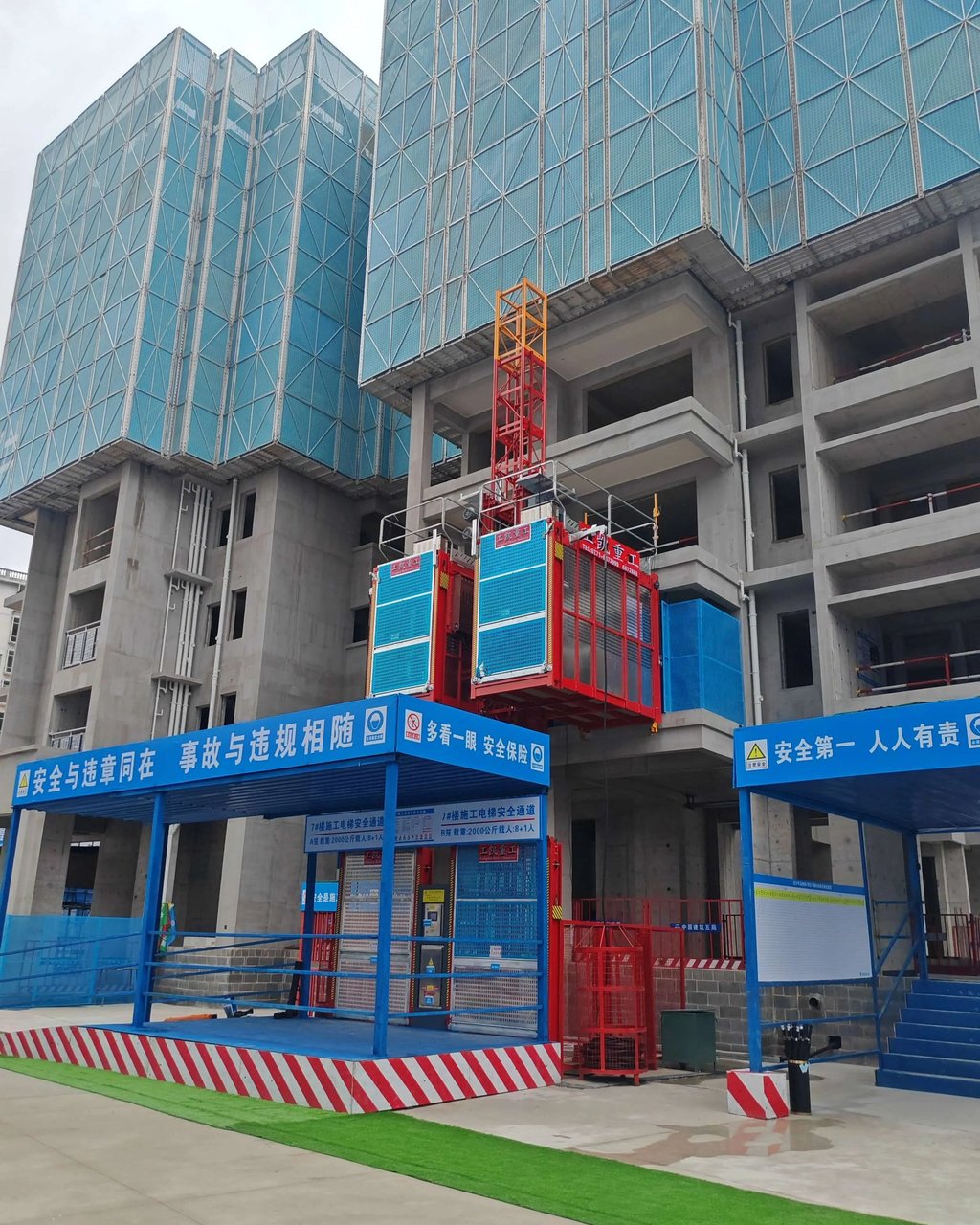
Construction Hoist: Everything You Need to Know
Modern high-rise construction projects require safe, reliable, and efficient vertical transportation solutions. A construction hoist, also known as a building hoist, plays a critical role in transporting workers and construction materials between different floors quickly and safely.
Whether you're constructing residential towers, commercial buildings, bridges, or industrial facilities, choosing the right construction hoist can significantly improve productivity while reducing labor costs and project delays.
In this guide, we'll explore everything you need to know about construction hoists—from working principles and types to safety features and maintenance tips.
What Is a Construction Hoist?
A construction hoist is a temporary vertical transportation system installed on construction sites to move personnel and materials between ground level and elevated work areas.
Unlike conventional elevators, construction hoists are specifically designed to operate under harsh construction environments.
Most modern construction hoists use a rack-and-pinion drive system, which ensures smooth lifting, high load capacity, and reliable performance.
Typical lifting heights can exceed 300 meters, depending on project requirements.
Main Components of a Construction Hoist
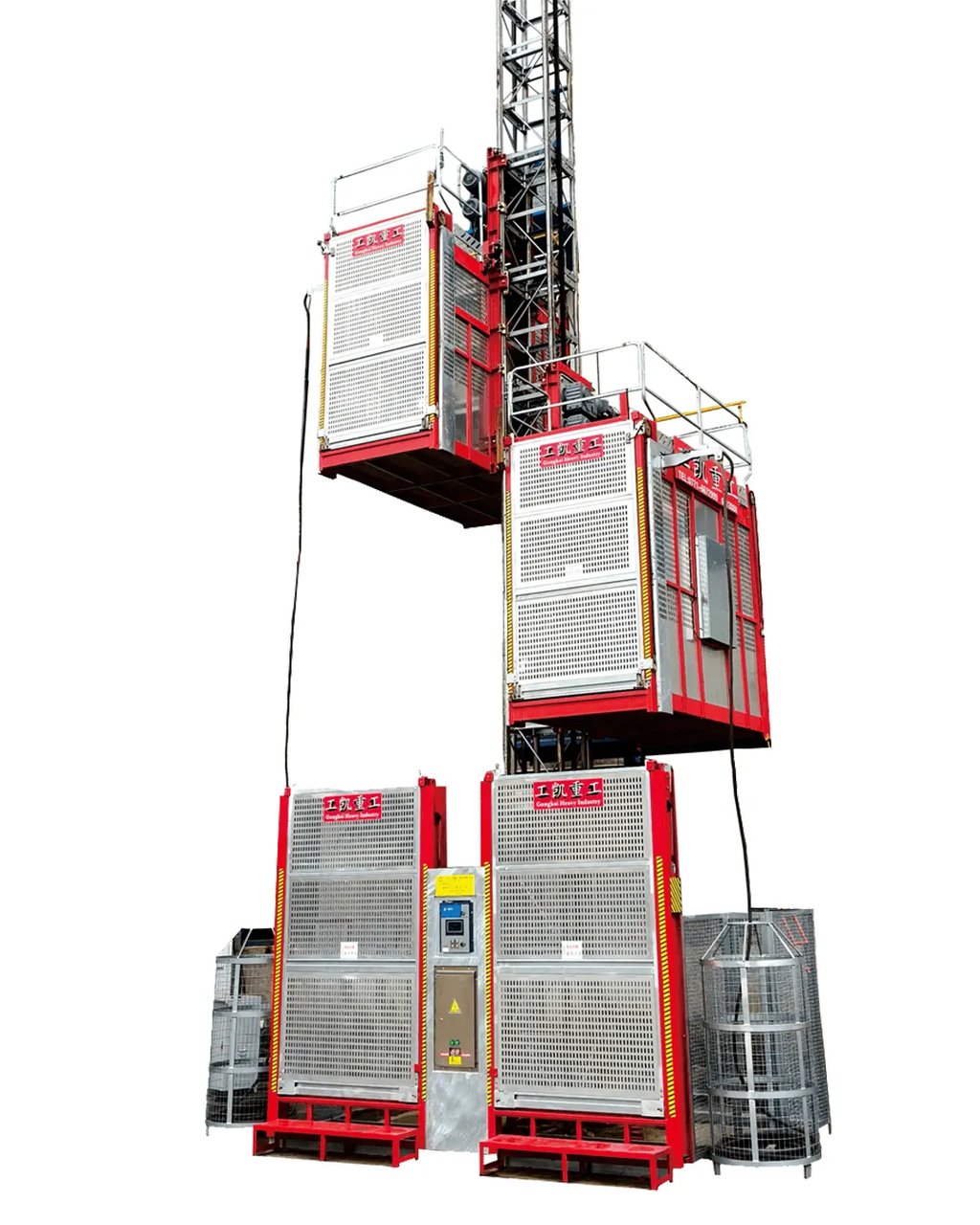
A construction hoist consists of several key components:
Hoist cage (single or twin cage)
Mast sections
Rack and pinion drive system
Electric motor
Safety devices
Landing gates
Tie-ins
Control panel
Base frame
Counterweight (optional)
Each component contributes to the overall safety and efficiency of the lifting system.
Types of Construction Hoists
1. Passenger Hoist
Passenger hoists are designed primarily for transporting construction workers safely to elevated work areas.
Features include:
Comfortable cabin
High travel speed
Safety interlocks
Emergency braking system
They are widely used in:
High-rise buildings
Hotels
Office towers
Residential apartments
2. Material Hoist
Material hoists are specifically built for transporting construction materials such as:
Cement
Steel bars
Bricks
Concrete blocks
Glass panels
Scaffolding
Compared with passenger hoists, material hoists typically offer larger payload capacities while operating at lower speeds.
3. Passenger & Material Hoist
This is the most popular configuration worldwide.
It combines personnel transportation and material lifting in one machine, improving job site efficiency and reducing equipment investment.
Advantages of Using Construction Hoists
Improve Productivity
Workers spend less time climbing stairs and more time completing construction tasks.
Faster Material Transportation
Heavy construction materials can be delivered directly to each floor, significantly reducing manual handling.
Enhanced Safety
Modern construction hoists are equipped with multiple safety systems, including:
Overload protection
Anti-fall safety device
Emergency stop button
Door interlock system
Upper and lower limit switches
Speed governor
These features help minimize accidents and improve overall site safety.
Cost Savings
Efficient vertical transportation reduces labor costs, shortens project schedules, and increases equipment utilization.
Construction Hoist Applications
Construction hoists are widely used in:
High-rise residential buildings
Commercial office buildings
Shopping malls
Hospitals
Airports
Industrial plants
Power stations
Bridge construction
Chimney construction
Mining projects
As buildings become taller, construction hoists have become essential equipment on modern construction sites.
How to Choose the Right Construction Hoist
Selecting the right construction hoist depends on several important factors.
Lifting Height
Determine the maximum building height to ensure sufficient mast sections and lifting capacity.
Load Capacity
Common capacities include:
1000 kg
1500 kg
2000 kg
2700 kg
3200 kg
Choose according to your material transportation requirements.
Cage Size
Larger cages improve transportation efficiency for bulky construction materials.
Travel Speed
Typical speeds include:
36 m/min
45 m/min
63 m/min
96 m/min
Higher speeds are recommended for tall buildings.
Safety Certifications
Always select equipment that complies with international standards such as:
CE Certification
ISO9001 Quality Management
SGS Inspection (if required)
Daily Maintenance Tips
Proper maintenance extends equipment life and ensures safe operation.
Daily inspection should include:
Check rack and pinion wear
Lubricate gears
Inspect mast bolts
Test safety devices
Verify landing door interlocks
Check electrical cables
Clean guide rails
Preventive maintenance can significantly reduce downtime.
Why Choose GKZG Construction Hoists?
As a professional construction hoist manufacturer, GKZG provides reliable vertical transportation solutions for projects worldwide.
Our advantages include:
Advanced rack-and-pinion technology
High-quality steel structure
Stable operation
Excellent safety performance
Custom lifting heights
OEM & ODM services
Competitive factory pricing
Global export experience
Professional after-sales support
Whether your project requires a single cage, double cage, or customized construction hoist, GKZG can provide tailored solutions to meet your needs.
Frequently Asked Questions
What is the difference between a construction hoist and a tower crane?
A tower crane is mainly used for lifting heavy construction materials horizontally and vertically, while a construction hoist is designed to transport workers and materials vertically along a building.
How high can a construction hoist go?
Most rack-and-pinion construction hoists can reach heights of over 300 meters, depending on the project design.
Is a construction hoist safe?
Yes. Modern construction hoists incorporate multiple safety systems, including anti-fall devices, overload protection, emergency braking, and door interlocks to ensure safe operation.
Conclusion
Construction hoists have become indispensable equipment in modern construction projects. By improving transportation efficiency, enhancing worker safety, and reducing labor costs, they contribute significantly to successful project completion.
If you're looking for a reliable construction hoist manufacturer, GKZG offers high-quality building hoists designed for safety, durability, and long-term performance.
Contact us today to learn more about our construction hoist solutions and receive a customized quotation.
Connect GKZG
Get in touch for your project needs today.
Contact us
Tel/Whatsapp/Wechat:+86 19377161135
Copyright © 2026. Guangxi Gongkai Heavy Industry Manufacturing Co.,Ltd.All Right Reserved
Address: No.12 Fuqiao Avenue, Longan Overseas Chinese Administration District, Nanning, Guangxi,China